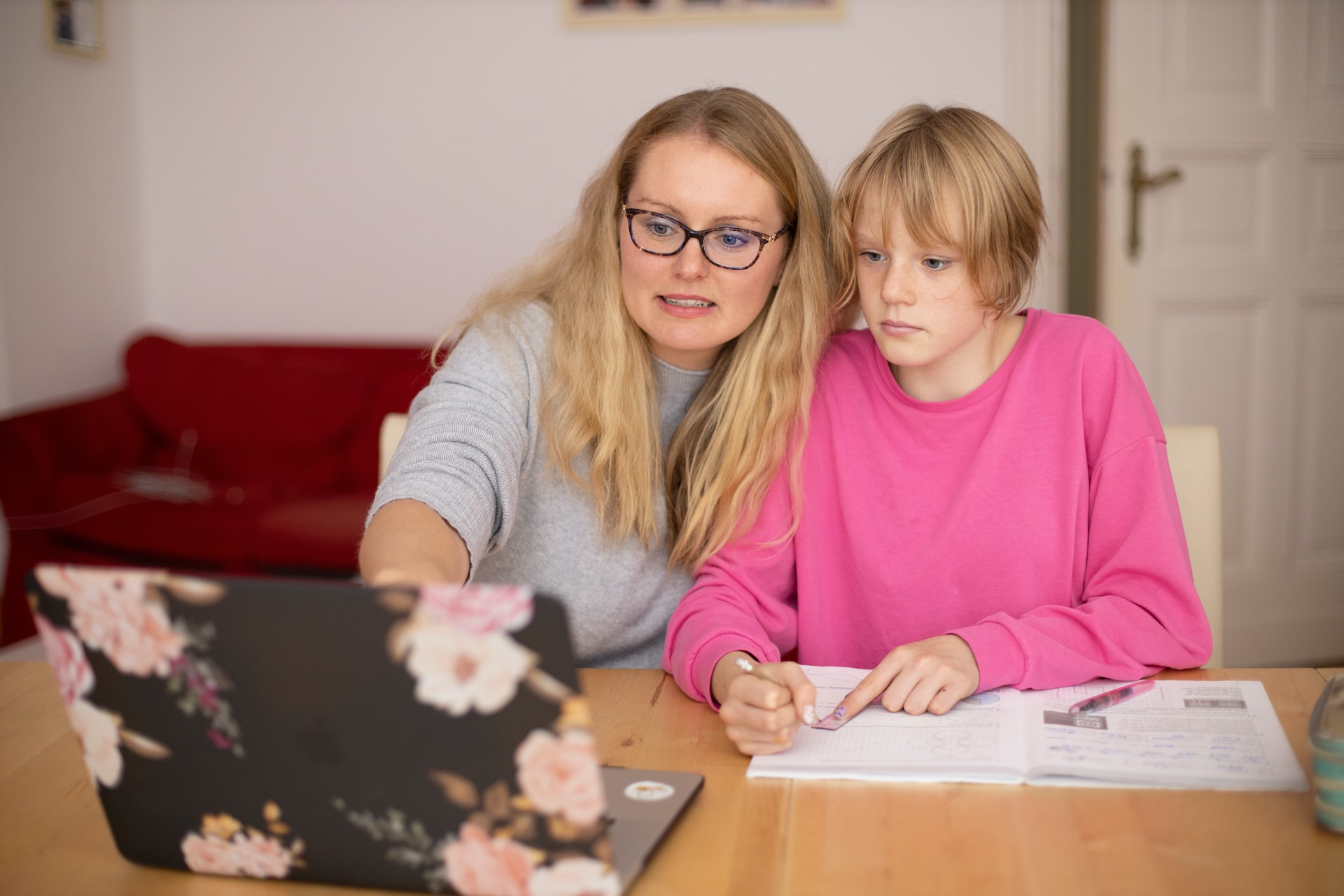
Aligning tutoring with private school curricula is essential for maximizing student achievement and creating a cohesive, supportive learning environment. Private school students are more likely to seek tutoring support than public schools. And that number keeps climbing. In fact, the number of private tutoring centers in the U.S. more than tripled from about 3,000 in 1997 to 10,000 by 2022. What’s interesting? The greatest concentration is in high-income, highly educated areas.
Tutoring is not just about getting extra help. With it, you can find the right support for the unique demands of private education. Private schooling has since evolved dramatically. Institutions implementing specialized curricula like Singapore Math, advanced STEM tracks, and innovative humanities frameworks set them apart from standardized education models.
Here’s what makes this fascinating: While private schools excel at providing exceptional education, student success happens when tutoring aligns perfectly with their approach. What’s more powerful than having every aspect of a student’s learning experience working in perfect harmony? When tutoring services sync with private school curricula, we see better grades and witness a transformation in how students learn, retain information, and build confidence.
The Power of Educational Consistency
When families explore private school options, they often focus on curriculum alignment across all aspects of their child’s education. This alignment becomes particularly crucial when introducing supplementary support like tutoring. After all, the effectiveness of any academic support system hinges on how well it integrates with the school’s established teaching methods and learning objectives.
Let’s talk about cognitive dissonance – that mental friction that happens when students face competing learning methods. Picture a seventh-grader trying to reconcile two different approaches to algebraic concepts: visual modeling in class versus traditional numerical methods with their tutor. It’s like trying to read a map where the north points in two different directions. The confusion is frustrating. But more importantly? It’s counterproductive.
Timing matters too. When tutors follow the school’s precise academic calendar, they become partners in the learning journey rather than just additional support. Take Sarah, a tenth-grade student at Wellington Preparatory School. Her experience tells the story perfectly: after struggling with a tutor who taught chemistry concepts out of sync with her classroom, she switched to one who coordinated directly with her school’s science department. The result? Her grade jumped from a C+ to an A- in just one semester. That’s not a coincidence – that’s the power of alignment.
Reinforcing Key Concepts Through Consistent Methods
Modern tutoring programs increasingly incorporate the same educational technology used in private school classrooms. For instance, when schools utilize text to voice generator tools for students with different learning styles, tutors can incorporate these same resources in their sessions, maintaining consistency in learning support methods
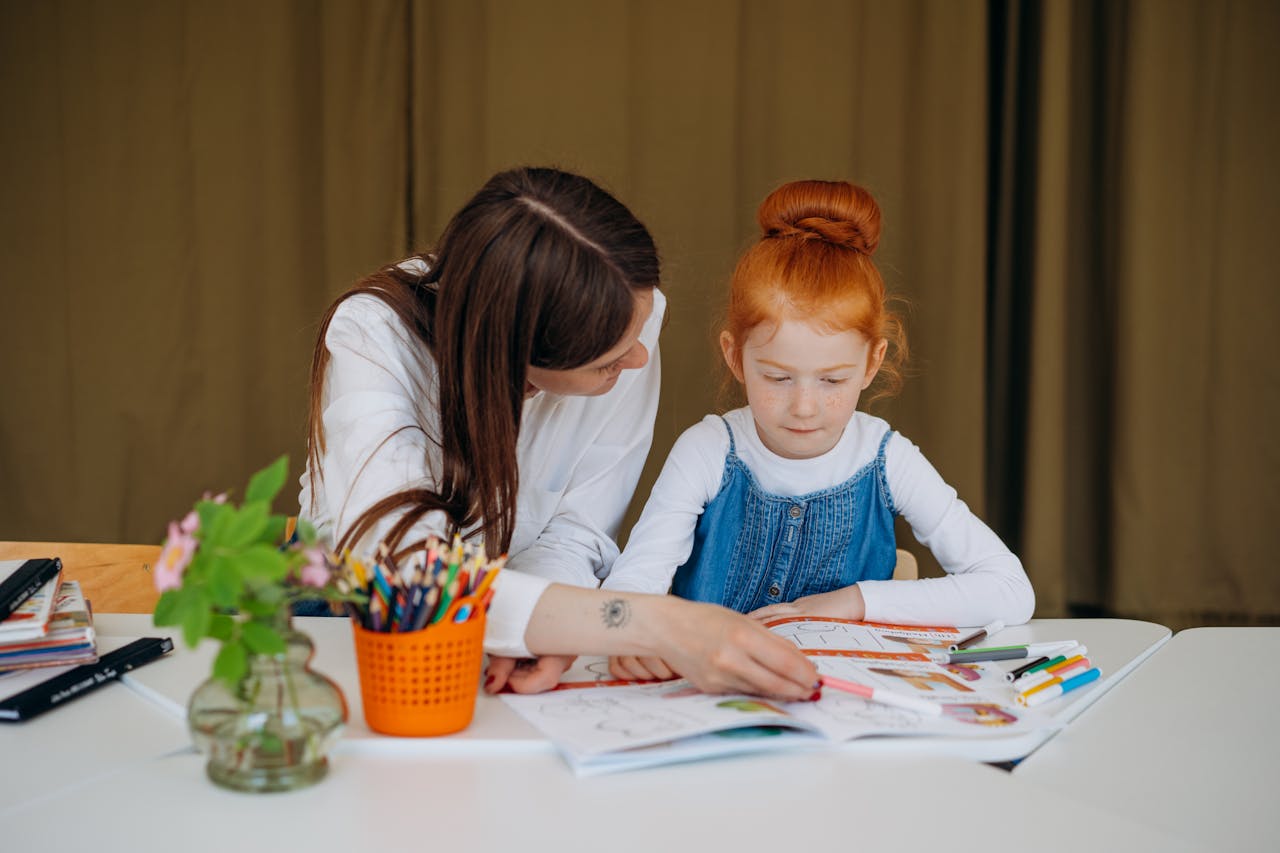
When tutoring echoes classroom instruction, it creates an amplified learning experience that’s impossible to replicate otherwise. Think of it as creating a perfect echo chamber where every concept gets reinforced through familiar terms, methods, and frameworks. This isn’t just helpful – it’s transformative.
Here’s how it plays out in real classrooms:
- English tutors employ identical writing rubrics and annotation methods, ensuring students develop papers that hit every mark their teachers are looking for
- Science tutors mirror the school’s exact laboratory protocols, allowing students to build deeper understanding through consistent practice
- Math support uses the same strategic approaches, especially crucial in schools using specific methodologies like Singapore Math
“The moment we aligned our tutoring approach with the school’s methods, everything clicked,” shares Jennifer Martinez, who’s been tutoring private school students for over a decade. “Students aren’t just learning faster – they’re retaining information longer because they’re getting consistent reinforcement instead of competing approaches.”
Measuring Impact: Academic Outcomes and Beyond
The impact goes way beyond the immediate grade improvements (though seeing students jump 1-2 letter grades within a semester is impressive). When test prep focuses exclusively on the specific assessment styles used by the school, students develop targeted skills that translate directly to improved performance.
This alignment creates something even more valuable: a seamless support network where tutors and teachers work in concert. At Buckingham Browne & Nichols (BB&N), a prominent independent school, 30% of students used private paid tutoring in the 2004-2005 school year. Meanwhile, 10% have used tutors for most of their academic careers. These numbers highlight the need for coordinated academic support. Tutors who really understand the school’s curriculum become invaluable partners in the learning process. They can spot learning gaps early, provide targeted support for individual education plans, and help smooth crucial transitions between grade levels.

Emotional and Psychological Benefits
But here’s what really matters: the emotional impact. Many students feel less anxiety when their tutoring experience is a natural extension of their classroom learning. The behavioral strategies tutors can adopt from classroom teaching methods play a crucial role in this emotional well-being.
When students experience consistent approaches to learning challenges, they’re more likely to be resilient and confident. They don’t exhaust mental energy trying to reconcile different approaches or figure out which method to use. Instead, they build confidence, develop stronger study skills, and—importantly—actually enjoy the learning process.
Think about the long-term implications: Students don’t just prepare for next week’s test. They have to build a rock-solid foundation for Advanced Placement exams, International Baccalaureate assessments, and college entrance tests. That’s why every tutoring session must reinforce and build upon the school’s educational approach.
Looking Ahead: The Future of Integrated Learning
The evidence is crystal clear: when tutoring services align perfectly with private school curricula, students win big. But it’s not just about getting better grades. Students are also experiencing reduced academic stress, improved confidence, and stronger long-term retention of key concepts.
Active collaboration and shared curricular information need to become the standard, not the exception. As education continues to move towards personalized approaches, this alignment becomes crucial for student success.
The future of private school education is about creating a seamless, integrated learning experience where every element works together perfectly. When we get this right, we’re not just helping students pass tests; we’re setting them up for lasting academic success.