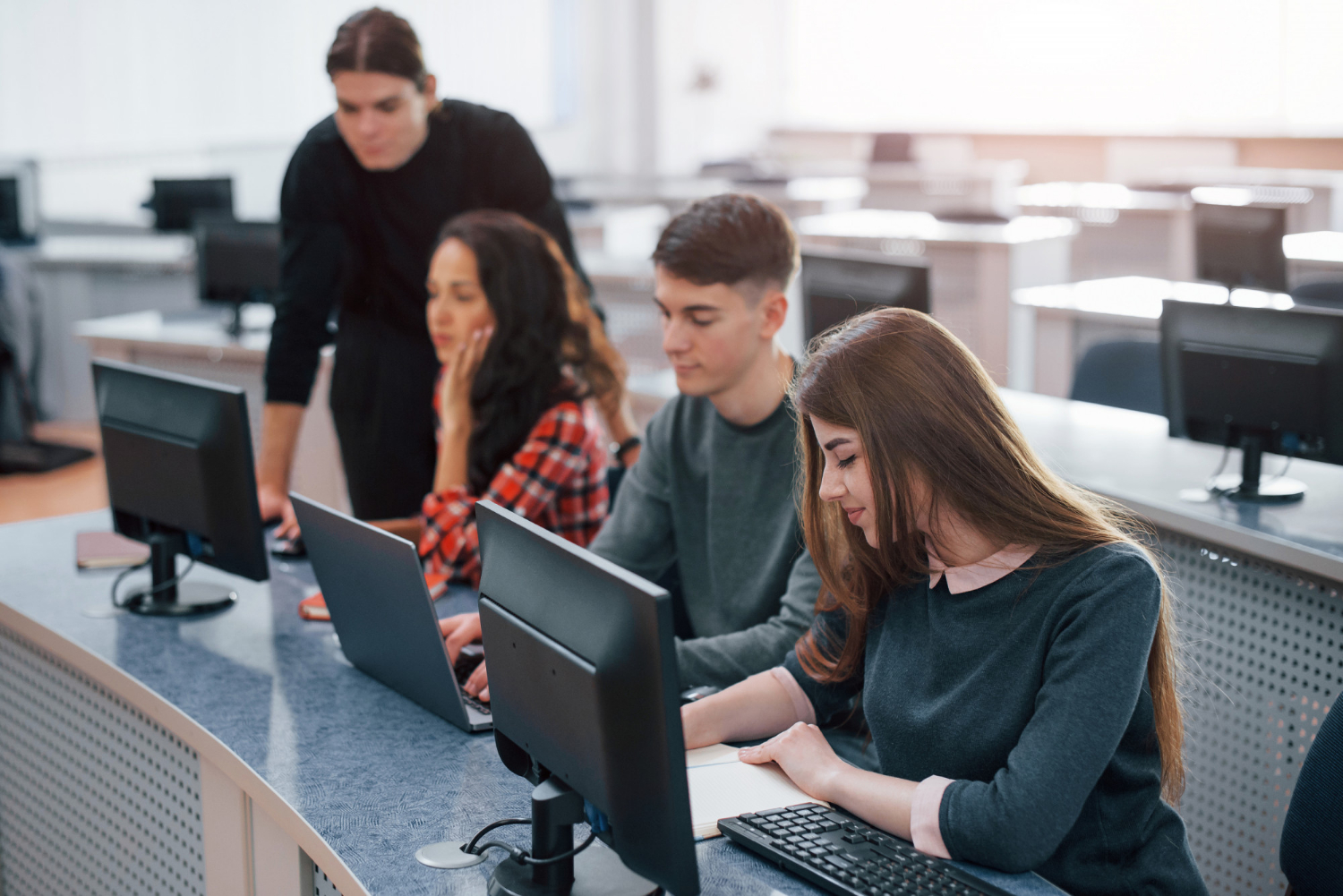
Student research skills begin with curiosity. Students ask why storms form, how animals adapt, why prices change, what makes a story persuasive, and how communities solve problems. Those questions can become powerful learning moments when students learn how to shape them, look for evidence, and explain what they discover.
Real-world research shows students that learning does not have to stay inside a textbook or classroom discussion. It helps them connect academic skills with the world they see every day. As students practice asking thoughtful questions and backing up their ideas with evidence, they build stronger reasoning, clearer communication, and more confidence in their own thinking.
Why Research Skills Matter for Students
Research becomes more meaningful when students can connect it to something they have noticed or experienced. A student who wonders why some neighborhoods flood more often, why certain plants grow better in one area than another, or how screen time affects study habits is already starting to think like a researcher.
Strong student research skills help learners move from simple curiosity to organized investigation, where each question is supported by evidence rather than guesswork.
That kind of thinking builds several academic skills at once. Students learn how to form questions, gather information, compare evidence, and explain their reasoning clearly. They also begin to understand that strong answers are built carefully. They are not guessed. That shift helps students become more patient, thoughtful learners who can revise their ideas when the evidence points in a new direction.
Turning Curiosity Into Stronger Questions
Curiosity gives students a starting point, but a strong research project needs a focused question. “Why does the weather change?” may be interesting, but it is too broad to study well. A question like “How does rainfall vary across different months in my area?” gives students something more specific to investigate.
Teachers and parents can help by asking simple follow-up questions. What exactly do you want to find out? What information would help you answer that? Can you compare one place, time period, group, or pattern with another? These prompts help students narrow their ideas without taking the project out of their hands.
As students refine their questions, they begin to see research as a process. The first idea does not have to be perfect. What matters is learning how to shape curiosity into something they can explore with evidence.
Helping Students Find Evidence They Can Trust
Once students have a focused question, they need to learn how to choose evidence carefully. This is often where young researchers need the most guidance. A quick search can bring up plenty of information, but not all of it is accurate, current, or useful for the question they are trying to answer.
Students can start by asking whether a source is current, whether the information comes from someone with relevant expertise, and whether the evidence actually supports the claim. A student studying how rainfall or temperature patterns change over time needs reliable weather data for research before drawing conclusions from the evidence.
This habit builds academic maturity. Instead of choosing the first answer that sounds right, students learn to pause, question the quality of their information, and explain why their evidence deserves to be trusted.
Connecting Classroom Learning to Real-World Data
Real-world data helps students see how classroom concepts work outside a controlled lesson. A graph in a textbook can teach the basics of comparison, but an actual dataset asks students to notice patterns, question outliers, and think carefully about what might be missing.
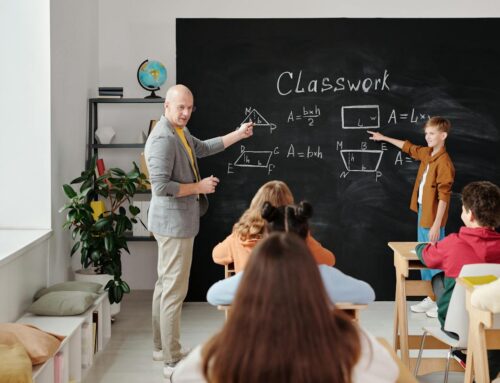
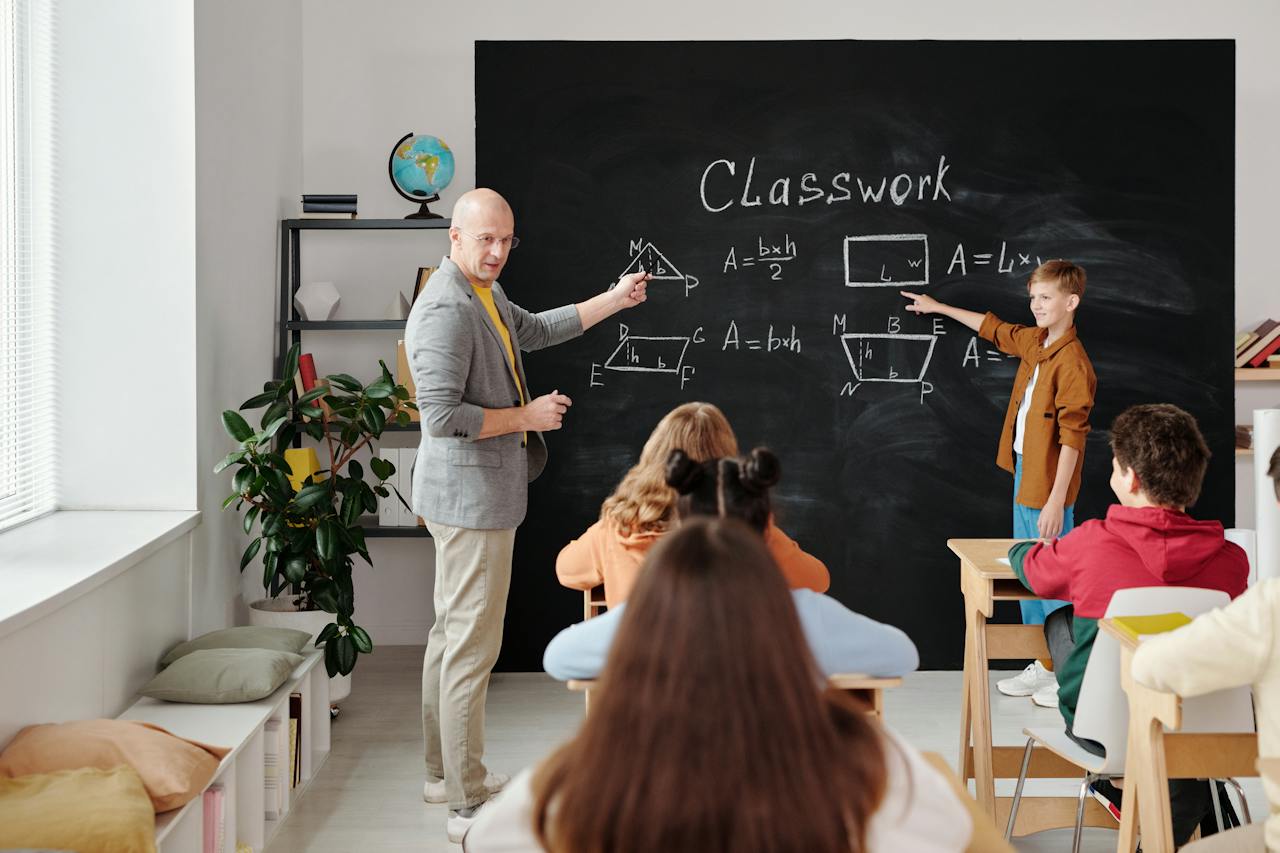
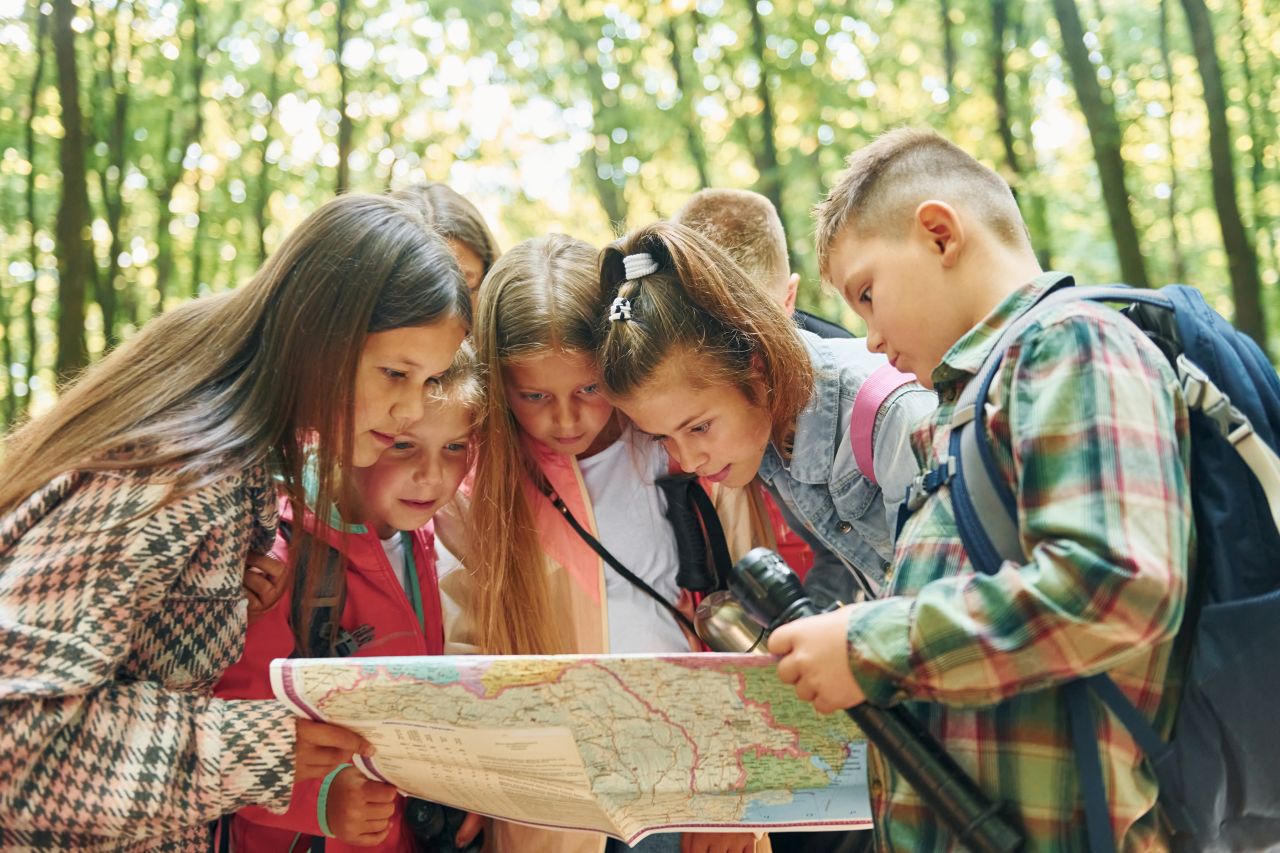
Teachers can make this process easier by starting with familiar topics. Weather, local transportation, school recycling, plant growth, and community surveys can all help students connect information to a focused research question. Student-led project-based learning gives students more ownership as they work through questions, evidence, and decisions tied to real situations.
This kind of learning also shows students that data rarely explains itself. They need to organize it, compare it, discuss it, and explain what it shows. That process strengthens both academic reasoning and communication.
How Teachers and Parents Can Support the Process
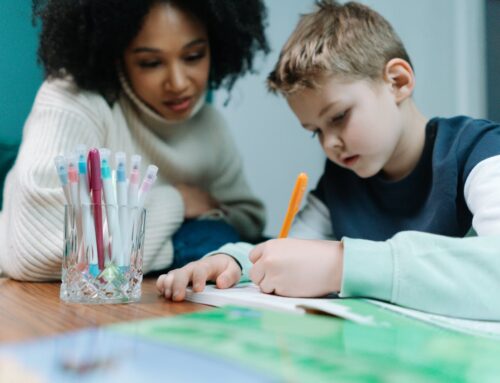
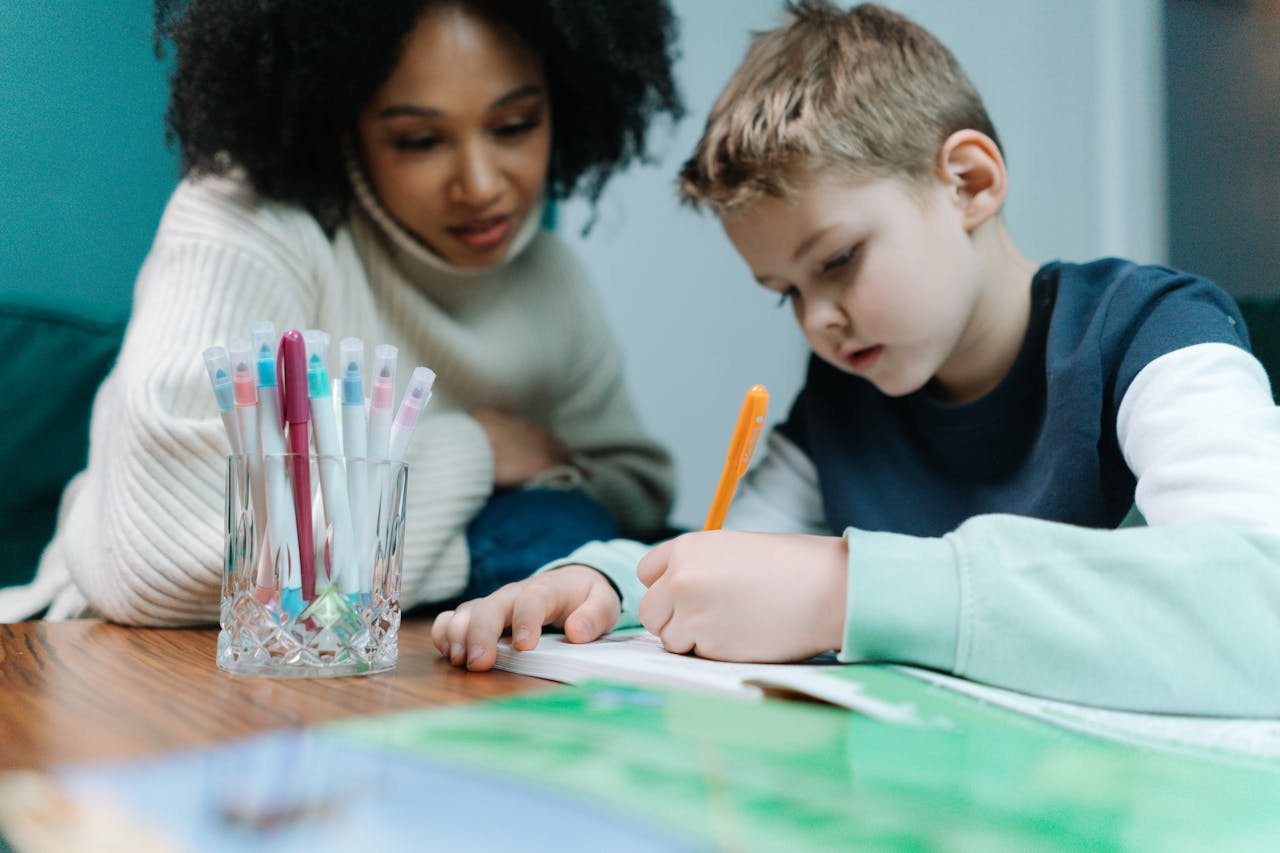
Students often do stronger research when adults guide their thinking without taking over the work. A teacher might help a student narrow a broad topic into a researchable question. A parent might ask what kind of evidence would make the answer more convincing. These small conversations help students plan, revise, and explain their thinking more clearly.
Support can also come from experiences that make learning feel more concrete. When students connect classroom ideas through real-world learning, they have more chances to observe, measure, and question what they notice outside of school.
The goal is not to hand students the right answer. It is to help them build the habits that lead to stronger answers: asking clear questions, checking evidence, staying organized, and explaining their conclusions with confidence.
Building Confidence Through Evidence-Based Thinking
When students learn to work with evidence, they become more confident in their own reasoning. They can explain how they reached a conclusion, where their information came from, and how the evidence supports their answer. That confidence is different from simply feeling sure. It comes from knowing how to think through a question carefully.
Evidence-based thinking also helps students handle uncertainty. Sometimes the information they find is incomplete. Sometimes the data raises new questions. Sometimes their first idea changes once they look more closely. These moments can feel frustrating, but they are often where deeper learning begins.
Over time, students start to see research as a skill they can improve. Student research skills grow through practice, patience, curiosity, and careful attention to evidence.

Learning That Lasts Beyond the Classroom
Real-world research helps students understand that learning does not end when an assignment is finished. The skills they practice while asking questions, checking evidence, and explaining ideas can shape how they approach future classes, projects, careers, and decisions.
A student who learns to question information thoughtfully is better prepared to handle complex problems. They can look for patterns, compare possibilities, and communicate what they find with more clarity. Those habits matter in science, writing, history, math, technology, and everyday life.
Strong student research skills give learners more than the ability to complete an assignment well. They gain a way of thinking that helps them become more curious, capable, and confident learners.