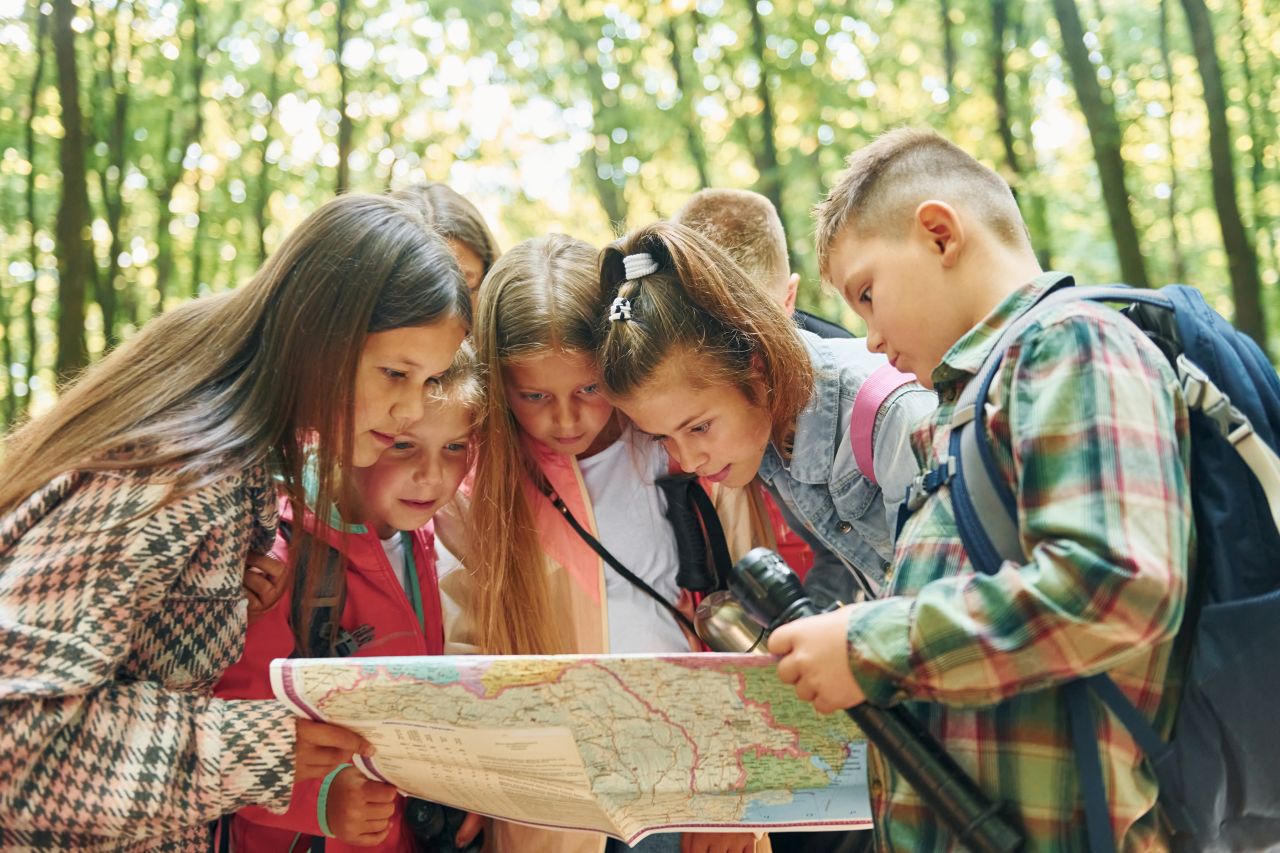
As a powerful extension of classroom instruction, academic field trips enable students to connect theoretical knowledge with tangible experiences. These purposeful excursions go beyond entertainment—they provide real-world context that enhances comprehension, reinforces key concepts, and ignites intellectual curiosity. With thoughtful planning and a focus on educational outcomes, they can become transformative learning opportunities.
Reinforcing Curriculum with Real-World Context
These experiences provide a unique opportunity to apply lessons from textbooks to meaningful, real-life encounters. A visit to a natural history museum can deepen understanding of evolution, while touring a local courthouse brings civics lessons to life. These experiences provide context that textbooks alone cannot convey, making abstract ideas more relatable and memorable. When students see how what they learn applies to the world around them, they are more likely to retain information and stay engaged. Such curriculum-based field trips also encourage learning outside the classroom by connecting academic content with tangible examples.
Enhancing Student Engagement Through Hands-On Experiences
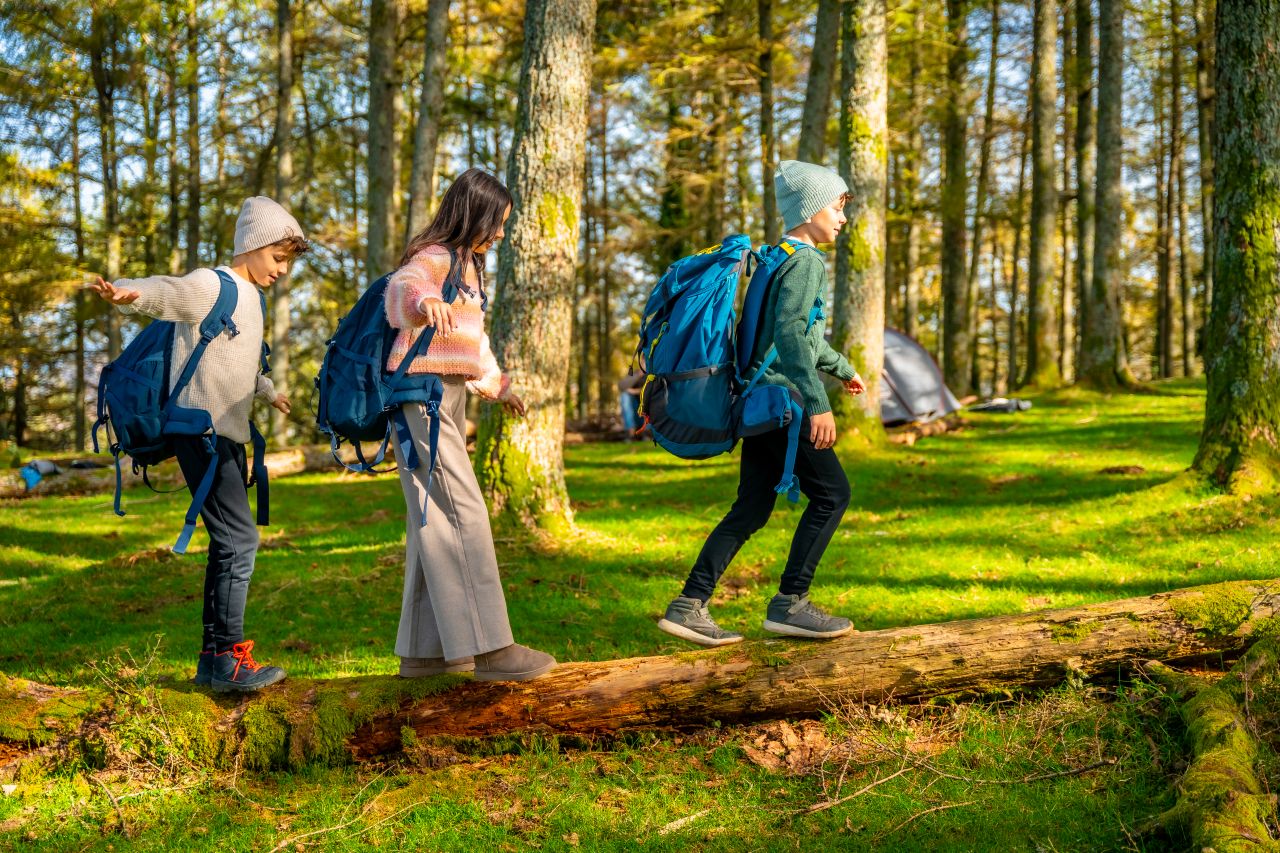
Hands-on learning environments captivate students’ attention and foster deeper involvement in academic material. Field trips that incorporate experiments, guided workshops, or live demonstrations allow students to participate rather than passively observe. This form of experiential learning has been demonstrated to enhance motivation and promote long-term academic success. Engaged students are often more willing to explore subjects they might have previously found difficult or uninteresting. Additionally, applying concepts in real-world contexts can deepen comprehension and create lasting connections to academic content.
Building Social Skills and Collaboration
Beyond academic benefits, these outings nurture essential social-emotional learning. Students must collaborate, communicate, and adapt to new environments—skills that are vital for both academic and personal development. Whether working in teams during a museum scavenger hunt or participating in group reflections, these collaborative moments strengthen interpersonal skills. The shared experience can also foster stronger peer relationships and a sense of community within the classroom.
Supporting Diverse Learning Styles
Excursions naturally accommodate a range of learning preferences. Visual learners benefit from observing historical artifacts or scientific models, while kinesthetic learners thrive during physical activities, such as nature hikes or interactive exhibits. By engaging multiple senses, these trips make learning accessible and enjoyable for students with varied needs. This inclusivity can help close achievement gaps and provide every student with an entry point to the subject matter.
Planning Tips for Maximizing Educational Value
To maximize the benefits of academic field trips, educators should establish clear learning objectives that align with curriculum goals.
- Define learning objectives: Identify how the outing aligns with the curriculum and what students should take away from the experience.
- Prepare students in advance: Use pre-visit reading materials, discussion prompts, or videos to introduce the destination and its relevance.
- Select purpose-driven destinations: Choose venues that directly support classroom topics and provide opportunities for inquiry-based learning.
- Incorporate post-trip reflection: Encourage students to process their experiences through journals, presentations, or group discussions.
- Coordinate logistics thoroughly: Draft detailed schedules, assign roles, and prepare contingency plans to ensure the outing stays focused on its educational goals.
Ensuring Safety and Comfort Through Reliable Transportation
Transportation is a foundational element of successful field trips, particularly when student safety and comfort are top priorities. For Dallas-area schools, coordinating transportation with bus charter services that use certified, professionally trained drivers and maintain proper insurance coverage helps uphold safety standards. Many providers also offer climate-controlled, regularly inspected buses, making extended outings more manageable. Reliable logistics allow educators to maintain their focus on learning outcomes rather than operational concerns.

Measuring Impact: Academic and Personal Growth
Educators can assess the effectiveness of these outings through student reflections, assessments, or project-based learning outcomes. Many teachers report noticeable improvements in curiosity, critical thinking, and content retention following well-executed excursions. These experiences also contribute to students’ personal growth by building their confidence and encouraging them to ask more profound questions about the world. The lessons learned often extend far beyond the classroom.
Educational Field Trip Ideas in Dallas, TX
Dallas is home to a diverse range of learning destinations, making it an ideal city for group outings that complement classroom instruction. These locations help meet curriculum goals while engaging students through immersive activities. Whether focusing on science, history, or the arts, Dallas has a destination that can bring lessons to life.
Here are some top ideas:
- Dallas Arboretum field trip: Offers outdoor science programs that align with TEKS standards, ideal for environmental science and biology units.
- Dallas Zoo field trip: Provides guided tours and educational programs focusing on conservation, animal behavior, and ecosystems.
- Perot Museum of Nature and Science: Features interactive exhibits that support STEM education across all grade levels.
- The Sixth Floor Museum at Dealey Plaza: An ideal destination for exploring American history, civil rights, and media literacy.
- Frontiers of Flight Museum: Great for students interested in aviation, engineering, and the history of space exploration.
- Dallas Heritage Village: Allows students to experience 19th-century Texas through hands-on history exhibits and reenactments.
- Dallas Museum of Art: Offers educator-led tours and art-making activities connected to global cultures and art history.
These sites cater to different grade levels and subjects, making it easy for educators to design purposeful and enriching outings.
By leveraging the educational resources Dallas has to offer, schools can organize excursions that are both instructive and inspiring. These destinations not only reinforce academic content but also encourage curiosity and active participation in learning.
Preparing Students for College and Career Through Real-World Exposure
Well-planned outings also play a strategic role in preparing students for post-secondary education and future careers. Visits to college campuses, engineering labs, or local companies can demystify professional environments and inspire students to explore academic disciplines they may not have previously considered. These excursions introduce students to career pathways, build awareness of workplace expectations, and highlight the relevance of classroom knowledge in real-world settings. For many students, this exposure provides the motivation to set long-term goals and invest more deeply in their education. This type of education-focused travel lays the groundwork for more informed academic and career decisions. When students encounter learning opportunities beyond the classroom, they begin to see their studies as relevant steps toward a broader, achievable future.