
Imagine a world where words blur on the page, moving and running together, frustrating the pursuit of knowledge. For too many dyslexic readers, this is reading reality. What if it were possible to decipher those confusing letters, to change the written word into an intelligible, readable sound? Enter text to voice generator, a revolutionary tool that is not just assisting but fundamentally changing the educational landscape for dyslexic learners by converting written text into speech in multiple languages.
What is dyslexia?
Dyslexia is a reading and writing disorder that affects a student’s accuracy and fluency but never decreases intelligence. It merely changes how information is processed. Difficult decoding of written words is the challenge, and this often proves to be exhausting and disheartening. This is where a text to voice generator comes into play as a mediator between written words and understanding. Through the transformation of words to vocal sounds, TTS sidesteps the decoding block, and students can acquire information directly and effectively.
Beyond reading aloud: Empowering independence
The effect of TTS goes far beyond simple reading aloud. It fosters independence, an essential part of building self-esteem and academic confidence. When students are able to access and read materials independently, they are active learners. No longer dependent upon being constantly aided, they feel a sense of mastery and control over learning.
As noted by Texthelp, an educational tool development company, “Text to Speech is one of the most effective ways for students with dyslexia to access content that suits their needs.” Access includes a broad range of materials, from textbooks and homework to web articles and research papers. Students can listen to content at their own pace and concentrate on grasping the information, not the mechanics of reading.
Unleashing cognitive potential: Comprehension and focus
Difficulty reading text can be very draining, employing valuable mental resources that must be employed for understanding. TTS frees up those resources, allowing students to engage in the content more deeply. They are able to focus on understanding challenging concepts, analyzing information, and learning to think critically.
A text-to-voice generator facilitates the easing of cognitive load, allowing students to focus and develop reading stamina. This revolution from decoding to comprehension is life-altering, opening the doors of academic success that were previously shut.

Leveling the playing field: Accessibility and equity
In a fair education system, accessibility is of utmost priority. TTS is central to leveling the playing field for dyslexic learners, and it allows them equal chances to learn and achieve like other learners. TTS breaks down the barriers posed by reading difficulties, thereby allowing students to achieve their full potential.
Personalization & customized learning: Adapting to individual needs
One of the most notable aspects of contemporary TTS technology is its flexibility to accommodate the learning style of an individual. Dyslexic learners can customize options like reading speed, voice type, and even language choice to suit their specific requirements. Certain TTS software emphasizes words as they are read, making word recognition stronger and supporting visual tracking.
Also, cutting-edge TTS technology smoothly interfaces with note-taking applications so that students can listen to their notes, review main points, and even play them back using voice commands. This kind of personalization means that learning is not something that fits all but a customization that addresses the unique difficulties faced by every student.
By adopting TTS technology, the education system is moving towards a more inclusive and accessible future where dyslexic students are no longer left behind but empowered to succeed.
TTS’ role in boosting confidence and engagement among dyslexic students
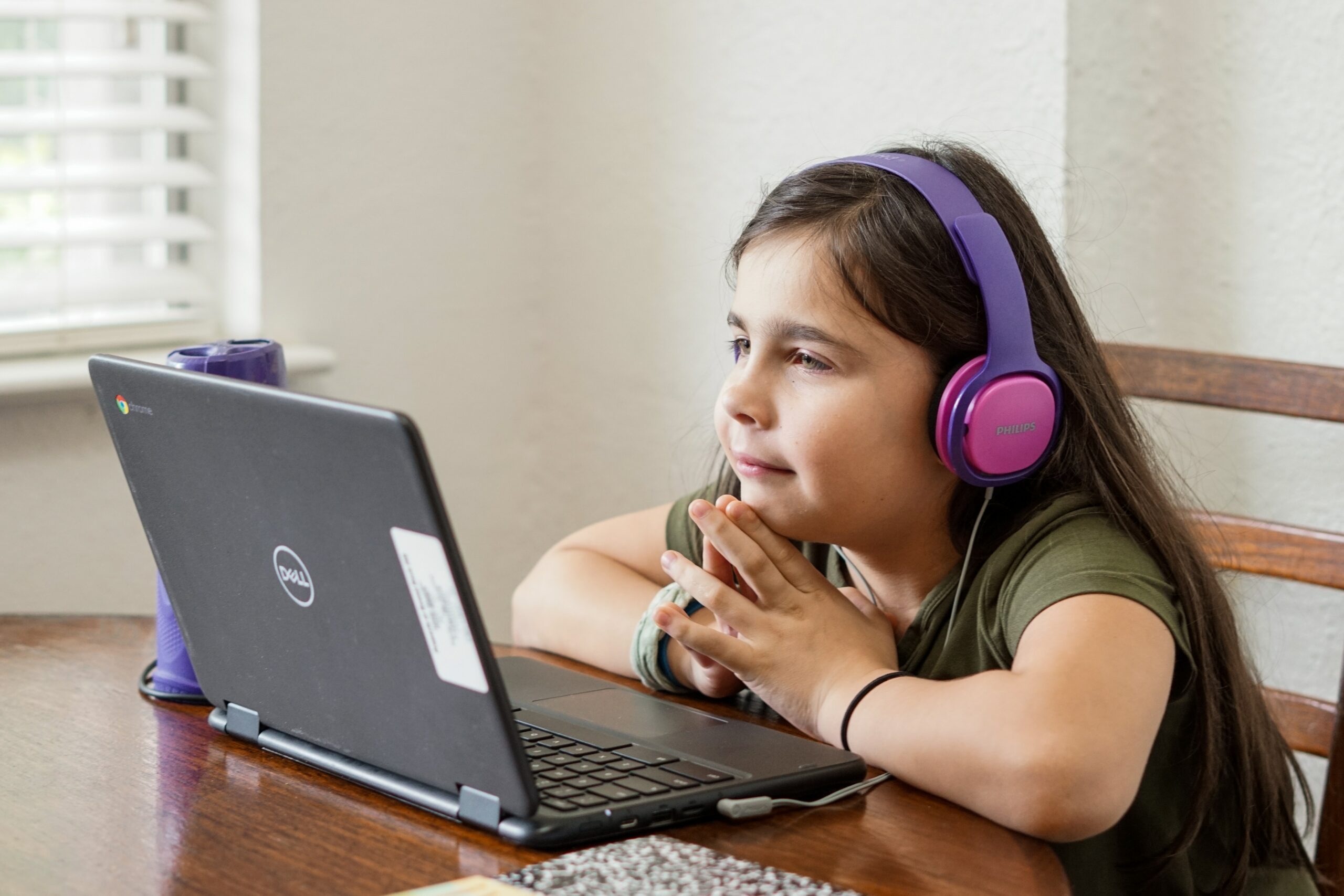
For students who are dyslexic, difficulties with reading frequently result in loss of confidence, which then carries over into class participation and involvement. Students who are dyslexic are reluctant to answer questions in class because they fear they will misread something or get confused by written directions. By introducing a text-to-voice generator, these challenges are reduced, and a learning environment is created where students feel comfortable participating fully.
When students hear lessons instead of fighting their way through reading them, they are learning without the stress of misinterpretation. With the incorporation of TTS into regular academic life, teachers can make the learning environment inclusive, where students with dyslexia feel valued and understood.
Teachers have observed that students who work with TTS technology demonstrate higher motivation to finish tasks and are more comfortable opening up with discussions, knowing they have a convenient means of internalizing and interpreting information.
Personal Stories: The Human Impact
Figures and studies are necessary, yet the real effect of TTS can perhaps be most effectively communicated through personal stories. The Yale Center for Dyslexia & Creativity recounts a compelling anecdote of a 5th-grade student whose school year was revolutionized with speech-to-text technology. A student who struggled with written assignments gained a renewed sense of confidence and achievement when able to speak their thoughts aloud and listen as written content was read back to them. This anecdote, shared by the Yale Center for Dyslexia & Creativity, illustrates the powerful emotional and educational gains of TTS.
Beyond the classroom: Life-long learning
The benefits of TTS extend far beyond the classroom, helping students succeed in higher education and the workplace. Young adults with dyslexia will still encounter written information in various forms. The strategies and skills learned through TTS will allow them to overcome these barriers with confidence and independence.
The Future of learning: Embracing technology
As technology continues to advance, TTS is becoming more sophisticated and user-friendly. With improvements in artificial intelligence and natural language processing, TTS voices are becoming more natural and interactive, making the experience of listening more enjoyable. In addition, cloud-based and mobile platforms are rendering TTS easily accessible on a range of devices, enabling students to access guidance at any time and from anywhere they want.
The path of a dyslexic student can be one of frustration and difficulty. Yet, with the help of a text-to-voice generator, a different script is unfolding. It is a script of empowerment, self-reliance, and scholastic success. It is a script in which the printed word, once a stumbling block, is instead a bridge to learning and possibility.
Final words
In summary, text-to-speech is not just an innovation; it is a change agent. It is a power to be dealt with that is rewriting the rules of learning, empowering dyslexic learners to unlock their full potential, and taking hold of a future where their learning differences are not barriers but just an alternate path to achievement.
The actual revolution is not in the TTS technology itself but in the lives it changes, the possibilities it unlocks, and the futures it opens up.