Video-based learning is changing how students retain and understand information. It’s easy to assume the problem lies with students, but in many cases, the real issue is how information is delivered. Traditional teaching methods often contradict basic cognitive principles, making it harder for learners to absorb and retain material. Long lectures, static slides, and dense text don’t just slow learning — they actively work against it. In contrast, video-based learning proves a simple point: when information is presented through motion, voice, and demonstration, it becomes easier to understand and remember. This reflects how the brain naturally processes and retains information. Understanding what actually works in practice is key to improving how students learn and retain knowledge.
Memory is strongest when information is visual and auditory
The brain doesn’t memorize randomly — it recognizes patterns. Visual processing is faster than textual processing, and narrative structures significantly improve memory retention. That’s why using video in education works so well. A well-structured educational video doesn’t force students to imagine how something works — it shows them.
Instead of decoding paragraphs, learners see concepts unfold in real time. Motion, voice, and context combine into a clear, memorable signal.
This is one of the most underrated elearning video benefits: cognitive efficiency. Students spend less energy decoding information and more energy understanding it.
Attention isn’t broken — it’s selective
Students don’t have short attention spans. They have zero tolerance for boring delivery.
Video respects how modern learners consume information. They can stop, replay, or speed through content on their own terms. Learners can easily revisit sections or review concepts as needed. This level of flexibility is one of the key reasons video is effective in modern learning environments.
Text doesn’t adapt. Video does. And when students feel in control, engagement skyrockets.
Why retention improves with video-based learning
Retention improves because video attacks the problem from multiple angles at once. Audio explains concepts, visuals demonstrate them, and context connects everything into a coherent whole.
Multi-sensory delivery remains one of the strongest advantages of using video in teaching, especially for technical and abstract material. Instead of memorizing definitions, students grasp the mechanics and the meaning behind them. This is the difference between knowing the answer and knowing the subject.

Video shifts teaching from telling to showing
The strongest educators don’t just explain — they demonstrate. That’s where video dominates.
By creating instructional videos, teachers can break down complex ideas into clear, repeatable steps that students can actually follow. Whether it’s explaining a process, walking through a concept, or showing how something works in practice, video makes abstract material much more concrete and easier to absorb.
Many educators now use simple video editing tools, such as Movavi Video Editor, to quickly create these materials — combining clips, adding voice explanations, and highlighting key moments without technical complexity. The point isn’t polished production or perfect visuals. It’s clarity, structure, and making sure students can actually see and understand the idea in action.
What happens when classrooms go visual
Using video in the classroom isn’t about screens taking over — it’s about teachers taking control. Once foundational explanations move to video, classroom time can be used more effectively for interaction and feedback. Students show up ready to engage. Teachers go deeper.
Screen demonstrations can be recorded once and deployed again and again. Instructional consistency reduces cognitive load and supports learners with varied pacing needs.
Personalized learning through video actually scales
Teaching everyone the same way is the fastest way to lose half the class. Personalized learning through video allows advanced learners to move ahead while others revisit key sections until concepts become clear, without added pressure or discomfort.
This approach is especially powerful when educators teach tech to students, where missing one step can derail everything. Video lets learners fill gaps instantly instead of falling behind permanently. Personalization can scale without increasing the workload for teachers.
Video builds confidence, not just knowledge
Here’s what rarely gets discussed: confidence. Video-based learning gives students space to struggle and figure things out on their own. This flexibility allows students to revisit material as needed without drawing attention to mistakes. That psychological safety matters.
Hearing explanations in a steady, human voice also helps reduce cognitive friction, allowing students to focus on understanding rather than decoding information. This is one reason many learners respond well to guided explanations supported by a simple voice recorder.
When students control the pace, mistakes become part of learning rather than signs of failure. This is where the advantages of using video in teaching go beyond metrics — video builds confidence.
When students feel confident, they participate more, ask more meaningful questions, and remember what they learn. Not because memorization was required, but because the concept actually made sense.
Managing educational videos is what separates chaos from results
Let’s be clear: dumping random videos into a platform won’t magically improve learning. Managing educational videos properly is what makes video-based learning actually work.
This includes:
- Keeping videos focused and concise
- Organizing content logically
- Updating outdated material
When done right, video libraries become powerful learning systems instead of disorganized collections of content. Some educators even make an online screen recording on the fly to answer recurring questions, turning confusion into a reusable asset. That’s smart teaching, not extra work.
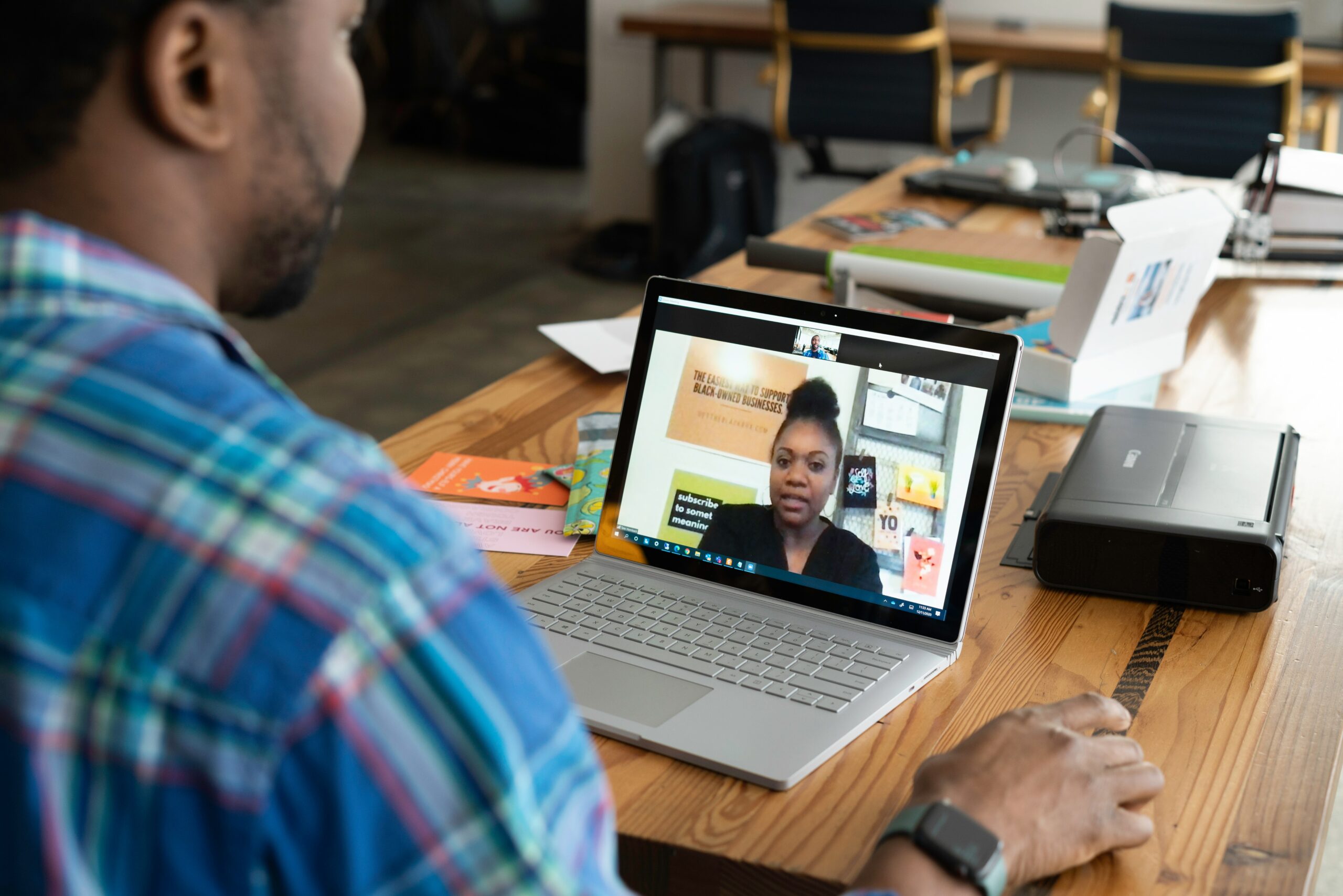
Video drives real school performance improvement
Institutions serious about school performance improvement aren’t guessing anymore. They rely on measurable outcomes, and video-based approaches consistently show strong results.
Higher retention leads to:
- Better test results
- Stronger skill application
- Elevated engagement across learners
Video delivers consistent explanations, narrows learning gaps, and strengthens understanding through visuals. As time goes on, those advantages multiply. The question isn’t whether to adopt it — using video in education is already the standard. It’s foundational.
The real-world advantage students gain
Video-trained students go beyond content and develop the ability to learn independently. They get used to learning through tutorials, visual guidance, and independent problem-solving. Those skills transfer directly to higher education and the workplace, where learning rarely comes in textbook form. Video literacy is career literacy.
Video doesn’t replace teachers — it amplifies them
It’s worth addressing a common concern. Video doesn’t replace educators. It removes friction. When video-based learning handles explanation and repetition, teachers spend more time mentoring, challenging, and guiding students. Video delivers information. Humans deliver impact. That balance is where modern education wins.
Effective teaching requires demonstration
You don’t improve retention by pushing students harder — you improve it by teaching better. Video is effective because it fits the way people process, focus on, and remember information. Ignore it, and information drains almost immediately. Use it well, and learning sticks.
So, the next time you start preparing a huge lecture, ask yourself if students will remember it. Start small by integrating short videos, and see where it gets you. This reflects a practical shift toward more effective learning.