Nothing stings more than seeing your child struggle with school performance while knowing you can’t always be there to help. Single parents juggle work, bills, and responsibilities alone.
There’s little time left for overseeing homework, meeting teachers, or creating a structured learning environment at home. The guilt creeps in, and so does the frustration. Schools don’t always accommodate the challenges of single-parent households.
The system seems rigged against single parents like you. Even that level 1 court-required parenting class didn’t prepare you for the academic challenges you’re facing now.
Research shows that children from single-parent homes face a higher risk of academic difficulties due to limited parental time and economic constraints. If you’ve ever wondered how to improve your child’s academic performance despite these limitations, this guide is for you.
We will consciously avoid generic advice that assumes you have unlimited time and resources. Keep reading to discover effective strategies that work for real single parents with real constraints.
The Mental Load of Managing It All
Balancing work, bills, and your child’s education is exhausting. You already have enough on your plate, and now you’re expected to keep up with school emails, assignments, and meetings too. The guilt of missing events, the stress of unfinished homework, and the fear of your child slipping behind—it’s a lot.
No one talks about how draining this is for you. Schools expect parents to be fully involved, but they don’t consider the reality of doing everything alone. It’s frustrating, and burnout is real.
You’re not failing your child. It’s just that your time, energy, and resources are stretched thin. The system isn’t built for single parents, and that’s the real problem.
Below, we have outlined practical strategies that work even when time and support are limited.
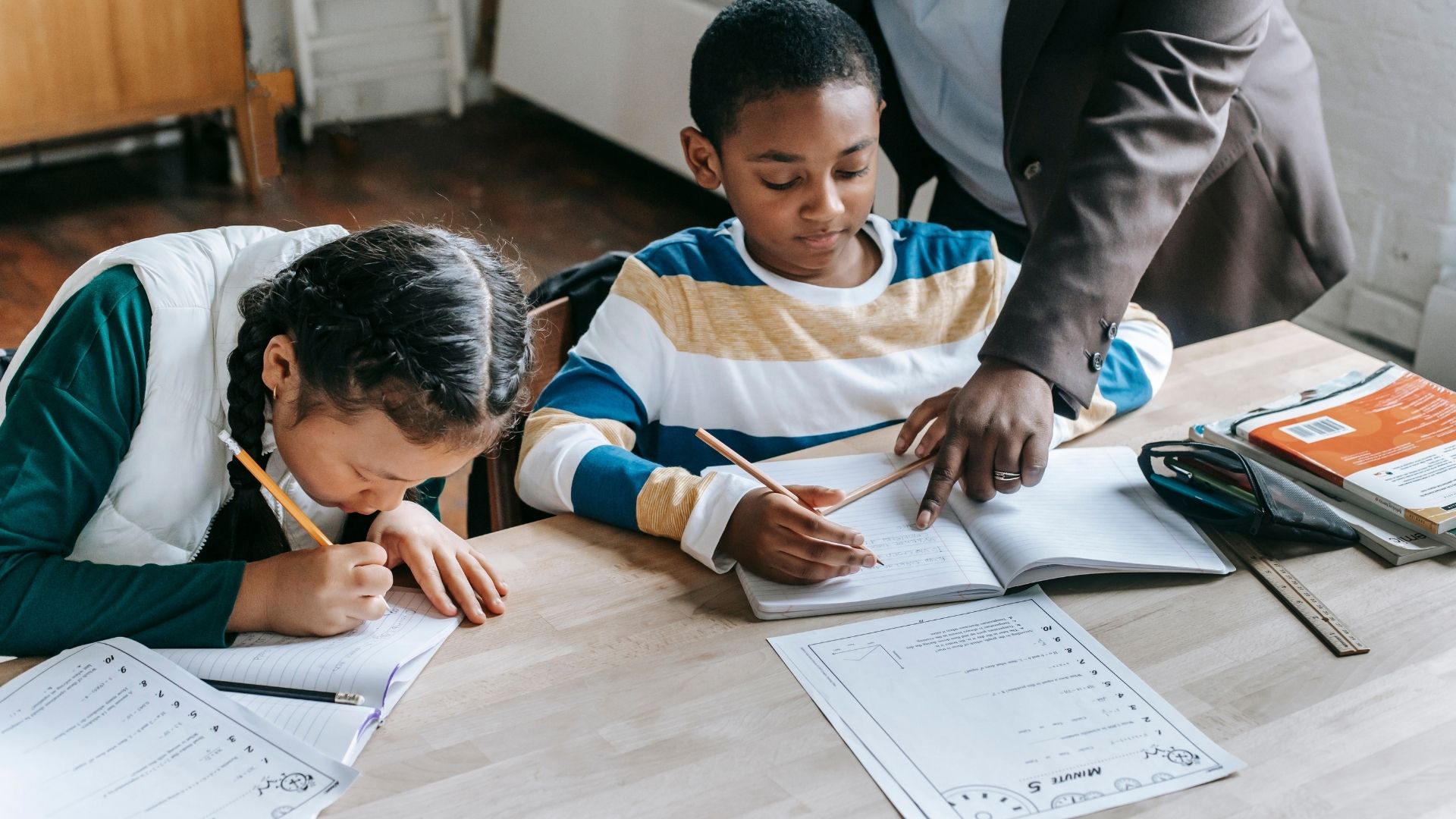
Maximize Free School Resources
Financial strain hits single parents hardest. Unlike two-parent households, where financial burdens are shared, single parents must handle everything alone. This leaves little room for paid tutoring, extracurricular activities, or advanced learning resources. The financial strain directly affects a child’s school performance by limiting access to educational support.
Single mothers, in particular, face even greater economic pressure. Recent research shows that single mothers earn significantly less than single fathers, often working multiple jobs just to make ends meet. Long work hours mean less time for homework supervision, school meetings, or structured study routines.
As a result, children in these households are more likely to struggle with grades and fall behind. Thankfully, in the era of the internet, quality educational resources don’t always come with a price tag.
Tap into resources you’ve already paid for through taxes (for public schools) or tuition (for private schools). Most schools offer free academic support that goes unused. Start by scheduling a meeting with your child’s teacher specifically about free resources. Ask about:
- Before/after-school homework help programs
- Peer tutoring options
- School-provided online learning platforms
- Free software access through school email accounts
- Public library partnerships with homework helpers
Teachers may know which programs actually work versus those that waste time. Request a printed list of all available resources with access instructions. Many international schools in Malaysia now offer weekend support sessions or “homework hotlines” where teachers answer questions via text or call.
Seek Structured Parenting Programs
Divorce reshapes every aspect of a child’s life, including their academic performance. The emotional toll makes it nearly impossible for kids to focus on schoolwork when their home life feels unstable.
One way to navigate these challenges is through a court-required parenting class after divorce. According to the ISAE, such workshops help parents reduce the negative impact of divorce on children while emphasizing the benefits of cooperative parenting.
Besides equipping you with the means to create educational stability during turbulent transitions, they offer guidance on conflict resolution and stress management. This consistent approach dramatically reduces the academic volatility that typically follows family separation.

Strive to Be More Present
Time is a luxury most single parents don’t have. Between work, household responsibilities, and daily errands, staying actively involved in a child’s education can feel impossible.
Attending school meetings, helping with homework, or even having daily check-ins about their studies end up taking a backseat. Research suggests that parental involvement—regardless of family structure—has a direct impact on school performance. However, for single parents, especially those working long hours, traditional involvement methods aren’t always feasible.
Your child notices your absence at school events. This creates a cycle where they feel less supported, become less motivated, and perform worse academically. But quality trumps quantity when it comes to educational involvement.
Create a “high-impact involvement plan” by identifying which activities most directly affect academic success. Tell teachers upfront about your constraints. Request text updates instead of in-person meetings when possible. Many educators would gladly accommodate alternative schedules when they understand your situation.
We highly recommend setting up a 20-minute “school talk” routine during dinner or bedtime where your child explains what they’re learning. Even something as simple as leaving encouraging notes in their lunchbox or scheduling weekly study sessions can reinforce your presence.
Build a Strong Support Network
Supporting your child’s education doesn’t have to be a solo effort. A solid support system gives your child the structure they need to stay on top of their school performance. Start with your family or close friends.
If a trusted relative can oversee homework once a week or help with school pickups, it frees up your time for deeper academic involvement. Even small contributions can make a big difference.
Connect with other single parents. Many face similar challenges and are open to sharing strategies or forming study groups. A simple homework swap—where one parent supervises assignments while another handles transportation—can improve consistency in learning.
Thrive Against the Odds
It’s understandable why many single parents feel defeated by their children’s academic challenges. However, small, meaningful changes can create significant improvements. Your child doesn’t need a perfect situation – they just need you to be there for them.
By showing up consistently despite impossible demands, you’re teaching resilience through example. Over time, the compounding effect of these efforts will lead them to believe more strongly in their own potential.