Education is undergoing a significant transformation, driven by technological advancements and shifting family expectations. In this changing landscape, virtual schools in Washington are playing an increasingly central role—offering an alternative model that prioritizes accessibility, adaptability, and student-centered learning.
Importantly, virtual education is not simply a substitute for traditional schooling. Instead, it represents an evolution of the education system itself—one that expands the range of options available to students while maintaining academic integrity and structure. For many families, the choice is no longer between online or in-person learning, but about identifying the format that best supports a child’s growth at a particular stage of their academic journey.
As digital infrastructure continues to improve, virtual learning is becoming a long-term, strategic component of modern education rather than a temporary solution. School districts, policymakers, and parents alike are recognizing that flexible learning environments can complement traditional models and even outperform them in specific contexts.
Expanding Access Across Diverse Communities
Washington State’s geographic diversity—from densely populated urban centers to remote rural regions—has historically created disparities in access to educational resources. Virtual schools in Washington help address these challenges by delivering consistent, high-quality instruction regardless of location.
This model is particularly beneficial for:
- Students in rural or underserved areas with limited school options
- Families requiring flexible schedules due to work, travel, or personal circumstances
- Learners who may not thrive in traditional classroom environments
- Student-athletes, performers, or apprentices balancing demanding training commitments
- Children with medical conditions that make daily school attendance difficult
By removing the need for physical proximity, virtual schools contribute to a more equitable education system—one where opportunity is less dependent on geography. Students in small towns now have access to the same advanced coursework, certified instructors, and specialized electives that were once concentrated in large metropolitan districts.
Strengthening Educational Continuity
Another important advantage of virtual schooling is its ability to provide continuity in a student’s education. Families who relocate frequently—including military families, those in seasonal industries, or households navigating life transitions—can benefit from consistent curriculum delivery and instructional support.
This continuity helps minimize disruptions in learning, ensuring that students remain on track academically regardless of external changes. Rather than adjusting to a new school every few years, students can maintain a stable academic identity, working with familiar teachers and progressing through a predictable curriculum.
Integrating Technology with Academic Rigor
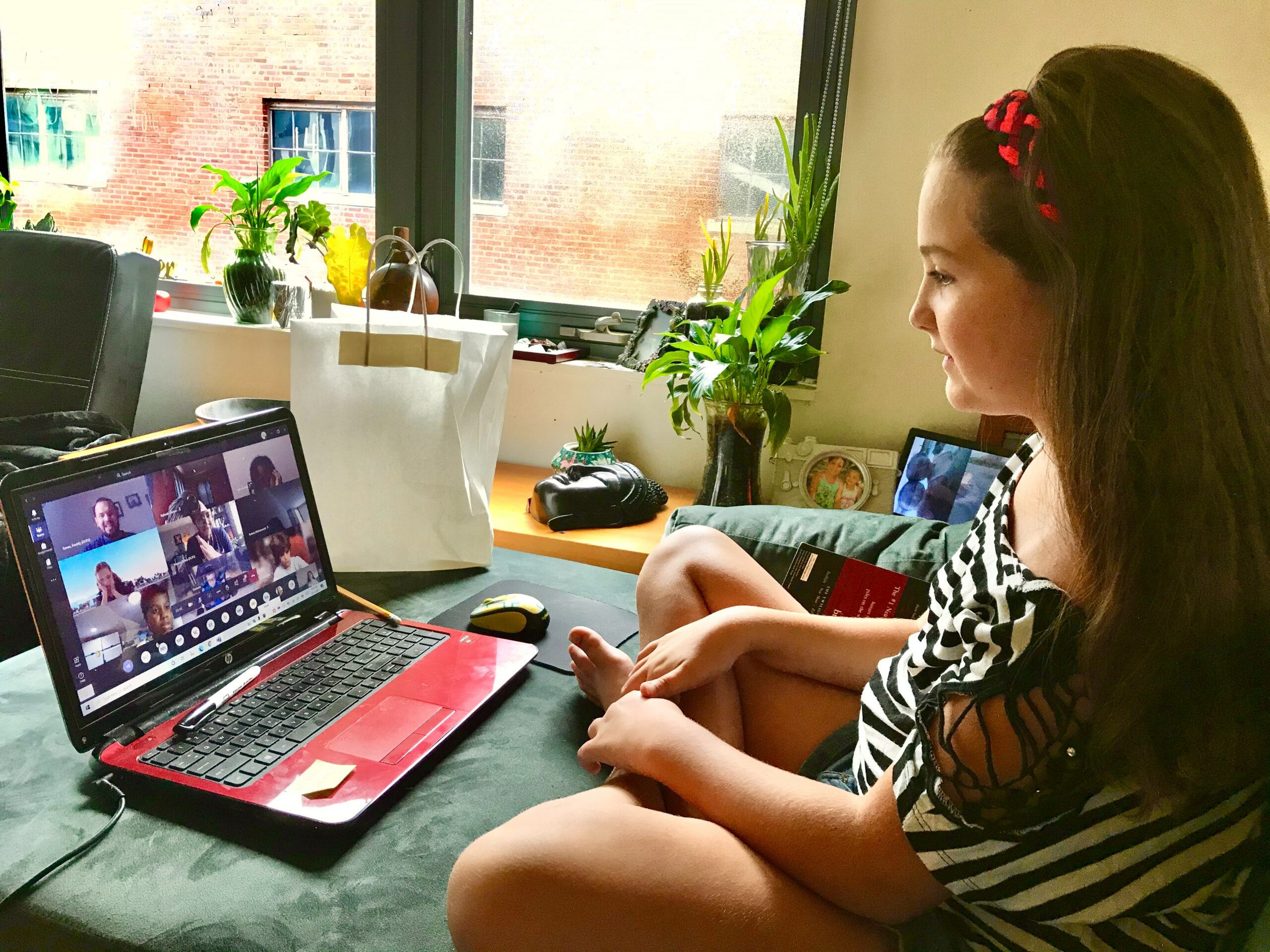
Modern virtual schools are built on sophisticated digital platforms that support both instructional delivery and student engagement. These programs combine:
- Standards-aligned curriculum consistent with state requirements
- Certified teaching professionals with subject-matter expertise
- Interactive tools such as video lessons, simulations, and digital coursework
- Continuous assessment systems that track progress and performance
- Data dashboards that give parents and teachers real-time visibility into student work
Far from lowering academic expectations, this integration of technology often enhances the learning experience by providing greater visibility into student outcomes and enabling more responsive teaching methods. Teachers can identify struggling students earlier, intervene more precisely, and tailor instruction in ways that would be difficult to scale in a traditional classroom.
Personalization as a Core Advantage
One of the most significant strengths of virtual schools in Washington is their capacity to deliver personalized learning at scale. Unlike traditional classrooms, where pacing is often uniform, virtual environments allow for greater flexibility.
Students can:
- Progress at a pace aligned with their individual abilities
- Revisit lessons to reinforce understanding
- Accelerate through material they have already mastered
- Receive targeted academic support when needed
- Explore enrichment topics outside the standard curriculum
This personalized approach not only improves comprehension but can also increase student confidence and motivation over time. When learners feel that the pace and depth of instruction match their needs, they are more likely to remain engaged and develop a lasting interest in the subject matter.
Supporting Diverse Learning Needs
Virtual schooling is particularly well-suited to students with diverse learning preferences or specific needs. For example, students who benefit from quieter environments, reduced distractions, or more flexible pacing often find greater success in online settings. Highly sensitive learners, students with anxiety, and those who have experienced social challenges in traditional schools frequently report improved well-being once they transition to a virtual format.
Additionally, virtual programs can provide accommodations and differentiated instruction more efficiently, helping ensure that a wider range of learners is effectively supported. Closed captions, screen readers, adjustable text size, and recorded lessons are built into most modern platforms, removing barriers that might otherwise require special arrangements.
Redefining Student Engagement
A common misconception is that virtual education lacks engagement. In practice, modern programs incorporate a wide range of interactive elements designed to keep students actively involved in their learning.
These may include:
- Live, teacher-led virtual classes
- Peer discussions and collaborative group projects
- Interactive assignments using multimedia tools
- Real-time feedback and communication with educators
- Virtual clubs, competitions, and extracurricular communities
Such strategies not only maintain engagement but also help students develop communication and collaboration skills within digital environments—an increasingly important competency. Many virtual schools also organize in-person meetups, field trips, and regional events, ensuring that students still have opportunities to build friendships and participate in shared experiences.

Encouraging Greater Accountability and Independence
Virtual learning environments naturally encourage students to take greater ownership of their education. With structured guidance from teachers, students develop skills such as:
- Time management and organization
- Goal setting and self-monitoring
- Independent problem-solving
- Digital communication and professional etiquette
These habits foster a sense of accountability that can have lasting benefits beyond the classroom. Graduates of virtual programs often enter college and the workforce with strong self-direction—an advantage in environments that increasingly reward initiative and the ability to work without constant supervision.
Preparing Students for a Digital Future
As digital technologies continue to shape higher education and the workforce, the skills developed through virtual schooling are becoming increasingly valuable. Students gain hands-on experience in:
- Navigating online platforms and tools
- Communicating effectively in virtual settings
- Managing workloads independently
- Adapting to technology-driven environments
- Collaborating across geographic and cultural boundaries
These competencies are directly aligned with the demands of modern academic and professional pathways. Universities are expanding their hybrid offerings, and employers across nearly every industry now rely on distributed teams—making fluency in digital collaboration a baseline expectation rather than a specialized skill.
Considerations for Families
While virtual schooling offers numerous advantages, families need to approach the transition thoughtfully. Key considerations include:
- Ensuring access to reliable technology and internet connectivity
- Establishing consistent daily routines
- Creating a dedicated and distraction-free learning space
- Maintaining regular communication with educators
- Encouraging social interaction through clubs, sports, or community activities
When these elements are in place, students are better positioned to succeed in a virtual environment. Parents play a particularly important role in the early stages, helping their children build the habits and structure that will eventually allow them to learn independently.
Conclusion
Virtual schools in Washington are fundamentally reshaping how education is delivered and experienced. By combining accessibility, personalization, and academic rigor, they offer a forward-looking model that reflects the needs of modern students and families.
As education continues to evolve, virtual schooling is likely to remain a key component of a more flexible, inclusive, and student-focused system—one that expands opportunity while maintaining high standards of learning. For Washington families weighing their options, virtual schools represent not a compromise but a genuine pathway to academic success—one shaped by the strengths of each learner.