
Healthcare offers a wide range of specialization options for aspiring professionals who want meaningful, stable, and forward-looking careers. Students entering this field face decisions that shape their education path, clinical training, and long-term growth. Understanding workforce trends, patient needs, and where demand is headed helps future providers choose paths that align with their strengths and ambitions.
With pressures from aging populations, technological innovation, and shifts in care delivery models, certain roles stand out for both their current relevance and future potential. The sections that follow explore five of the most promising paths for those ready to join the next generation of healthcare professionals.
Public Health and Epidemiology
Public health and epidemiology focus on disease patterns, prevention strategies, and improving population-wide health outcomes. Professionals in this space work with government agencies, nonprofit organizations, research institutions, and global health initiatives to monitor outbreaks, design prevention programs, and address health disparities.
The COVID-19 pandemic highlighted the value of experts who can interpret data, coordinate responses, and communicate risk to diverse communities. Careers in public health blend science with community impact, drawing on skills in statistics, policy analysis, and health education. Students who enjoy big-picture problem solving and influencing systems rather than individual treatment often find this specialization a good fit.

Registered Nursing and Educational Pathways
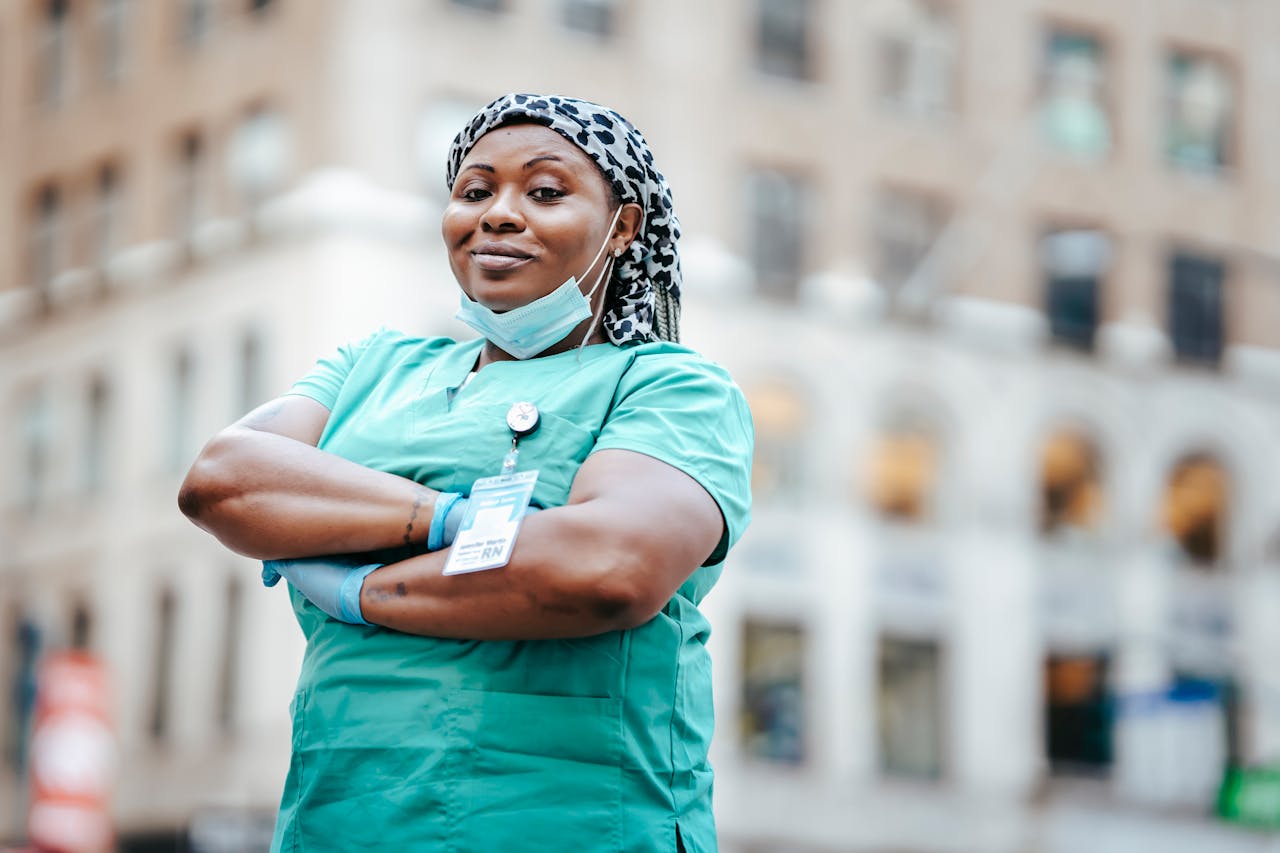
Registered nursing remains one of the most essential healthcare professions. Nurses deliver hands-on care in hospitals, clinics, long-term care facilities, and community settings, often acting as the primary point of contact for patients. Two educational paths lead to becoming a registered nurse: the Associate Degree in Nursing (ADN) and the Bachelor of Science in Nursing (BSN). Understanding the benefits of BSN vs ADN can help prospective nursing students choose the educational path that best aligns with their career goals and timeline.
An ADN typically takes two to three years at a community college and focuses on core clinical skills that prepare graduates for the National Council Licensure Examination (NCLEX-RN). A BSN is a four-year university program that includes nursing science, leadership, research, and public health courses in addition to clinical training. BSN-prepared nurses may have an edge when applying to hospitals that prefer or require this level of education, which can influence hiring and long-term career opportunities.
Physician Assistants and Collaborative Care Models
Physician assistants (PAs) are vital to expanding care capacity in many healthcare environments. They work alongside physicians to diagnose conditions, develop treatment plans, and manage patient care across specialties like emergency medicine, surgery, and internal medicine. PA programs typically take about two years after undergraduate school, offering a shorter educational timeline than medical school while still providing deep clinical training.
As healthcare delivery becomes more team-oriented, PAs help bridge gaps in access, particularly in primary care and underserved areas. Their flexibility and broad scope of practice make this an appealing option for students who want clinical responsibility, patient interaction, and a varied workload without the lengthy training required for physicians.
Medical and Health Services Management
Healthcare systems need leaders who understand both patient care and organizational strategy. Medical and health services management professionals oversee operations, budgeting, compliance, and policy implementation in hospitals, clinics, insurance companies, and healthcare networks.
With the shift toward value-based care and the increased use of technology, administrators who can connect clinical insight with business strategy are in demand. This path draws individuals who want to influence care delivery at a structural level and enjoy problem-solving that shapes how organizations perform.
Health Informatics and Data Analytics
Health informatics and data analytics merge healthcare with technology. Professionals in this field work with electronic health records, predictive analytics, and decision-support systems that improve efficiency and patient outcomes. The rise of telehealth, wearable devices, and artificial intelligence tools has created demand for specialists who can analyze large data sets, ensure cybersecurity, and design systems that support clinical workflows.
This specialization appeals to students willing to combine technical expertise with an understanding of how health systems function. As healthcare continues to digitize, professionals with this skill set will be essential to innovation, quality measurement, and better-informed care decisions.
Mental Health Professions
Mental health continues to move to the center of healthcare conversations. Greater awareness, expanded insurance coverage, and telehealth access have reduced stigma and increased demand for qualified providers. Careers in this space include psychiatry, clinical psychology, licensed professional counseling, marriage and family therapy, and psychiatric nursing. Each path varies in training requirements, yet all focus on assessment, diagnosis, and long-term therapeutic support.
Rising rates of anxiety, depression, and substance use disorders have created consistent demand across schools, hospitals, private practices, and community clinics. Many professionals choose to specialize in trauma-informed care, adolescent mental health, or addiction treatment. Strong communication skills and emotional resilience are essential in this field.
Geriatrics and Palliative Care
An aging population is reshaping healthcare delivery across the country. Older adults often manage multiple chronic conditions that require coordinated and ongoing care. Geriatrics focuses on improving health outcomes and quality of life for seniors, while palliative care centers on symptom management and patient comfort at any stage of serious illness.
Professionals in this field include physicians, nurse practitioners, social workers, and therapists who collaborate to create comprehensive care plans. Communication plays a central role, especially when discussing goals of care and treatment preferences with patients and families.
Physical Therapy and Rehabilitation Sciences
Physical therapy and rehabilitation sciences focus on restoring mobility, reducing pain, and helping patients regain independence after injury or illness. Physical therapists work in hospitals, outpatient clinics, sports facilities, rehabilitation centers, and home health settings. Treatment plans often involve personalized exercise programs, manual therapy, and patient education.
Chronic conditions such as arthritis, stroke, and neurological disorders have increased the need for rehabilitation services. Athletic injuries and post-surgical recovery also contribute to steady demand. Many professionals pursue specialization in orthopedics, neurology, pediatrics, or sports rehabilitation. Students interested in movement science, hands-on care, and measurable patient progress often find this path appealing.
Conclusion
Healthcare continues to evolve as technology advances, population health trends shift, and patient expectations grow. Specializations such as public health, nursing, physician assistant studies, health administration, informatics, mental health, geriatrics, and rehabilitation reflect where opportunity and impact intersect. Each path requires thoughtful preparation and a clear understanding of educational requirements, clinical responsibilities, and long-term prospects.
Future professionals who approach these decisions with awareness and intention position themselves for stable and fulfilling careers. Strong demand across these fields suggests that healthcare will continue to offer diverse options for those committed to service, innovation, and continuous learning.