Learning from pets helps children grow into responsible and confident learners who understand the value of routines and empathy.
When parents support pet care at home, children develop essential skills that improve their behavior, focus, and academic habits. From feeding schedules to daily exercise, caring for a pet creates real-world experiences that shape how students think, feel, and learn at home and in school.
These everyday interactions help children build a strong foundation for lifelong learning. Pet care teaches that effort, patience, and consistency lead to positive outcomes. This mindset benefits students academically because they begin to see challenges as opportunities to grow instead of things to avoid.
Why Pets Are Powerful Teachers at Home
Pets offer something that textbooks and screens cannot: accountability and connection. A pet requires attention, interaction, and care every single day. This teaches children that their choices matter. When children follow through on responsibilities, their pets respond positively, which reinforces motivation.
Children begin to understand:
- Living beings depend on them
- Their presence has value
- Small actions add up to big results
- Caring leads to trust and stronger relationships
These realizations strengthen a child’s sense of purpose and emotional maturity, both of which support success in school and daily life.
Daily Routines Strengthen Learning Structure
Children learn best when they follow structured routines. Pet care naturally supports healthy habits such as consistency, organization, and time awareness.
Parents can involve children in:
- Morning feeding
- Replacing water and checking bowls
- Afternoon walks or enrichment play
- Evening grooming or cage cleaning
Just as nutritious dog food helps a pet stay active and healthy, strong daily routines help children stay focused and ready to learn. A child who knows when tasks occur each day feels more secure and less anxious, which improves school readiness.
Parents can support this with simple checklists, alarms, or color-coded calendars. Over time, children begin remembering tasks on their own, which builds independence.
Building Responsibility and Accountability
Responsibility is one of the most important ideas children gain from learning from pets. When children care for animals, they learn to:
- Notice needs before being asked
- Take the initiative to help
- Accept the results of their actions
- Solve problems rather than ignore them
A pet relies on the child. If a child forgets to refill water or leaves a gate open, they learn real consequences in a safe environment. Parents can encourage accountability by reviewing tasks weekly and celebrating progress.
These habits directly support academic responsibility, such as completing homework, staying organized, and managing time effectively.
Emotional Skills That Support Learning Success
Students who struggle with motivation or confidence often benefit from spending time with pets. Animals provide unconditional companionship, which supports emotional well-being. This is especially helpful for children who:
- Experience anxiety
- Feel lonely at school
- Struggle with frustration or anger
- Have difficulty expressing emotions
Pets help children practice calming themselves and communicating kindly. These emotional skills support better friendships, stronger teacher relationships, and smarter decision-making during challenging moments in school.
Pets also help children learn from mistakes. If they forget a task, they can fix it and try again, building resilience.
Learning Through Play and Curiosity
Children are naturally curious about how animals move, behave, and communicate. Parents can encourage learning by focusing on what interests their child most.
Examples:
- If a child wonders why cats purr, explore videos, books, and observations
- If curious about fish care, learn how water quality affects health
Curiosity leads to research. Research leads to knowledge. And knowledge leads to confidence in school subjects like science, reading, and writing.
Problem Solving Through Real Life Challenges
Pet care includes challenges that help children think and adapt.
Examples that encourage thinking skills:
- What to do if a pet refuses food
- How to safely find a lost toy
- When to ask an adult for help
- How to teach a new behavior
Children learn to observe, plan, try solutions, and adjust when things do not work. These problem-solving skills support academic growth, especially in STEM subjects where trial and error is essential.

Social Development: Communication Through Care
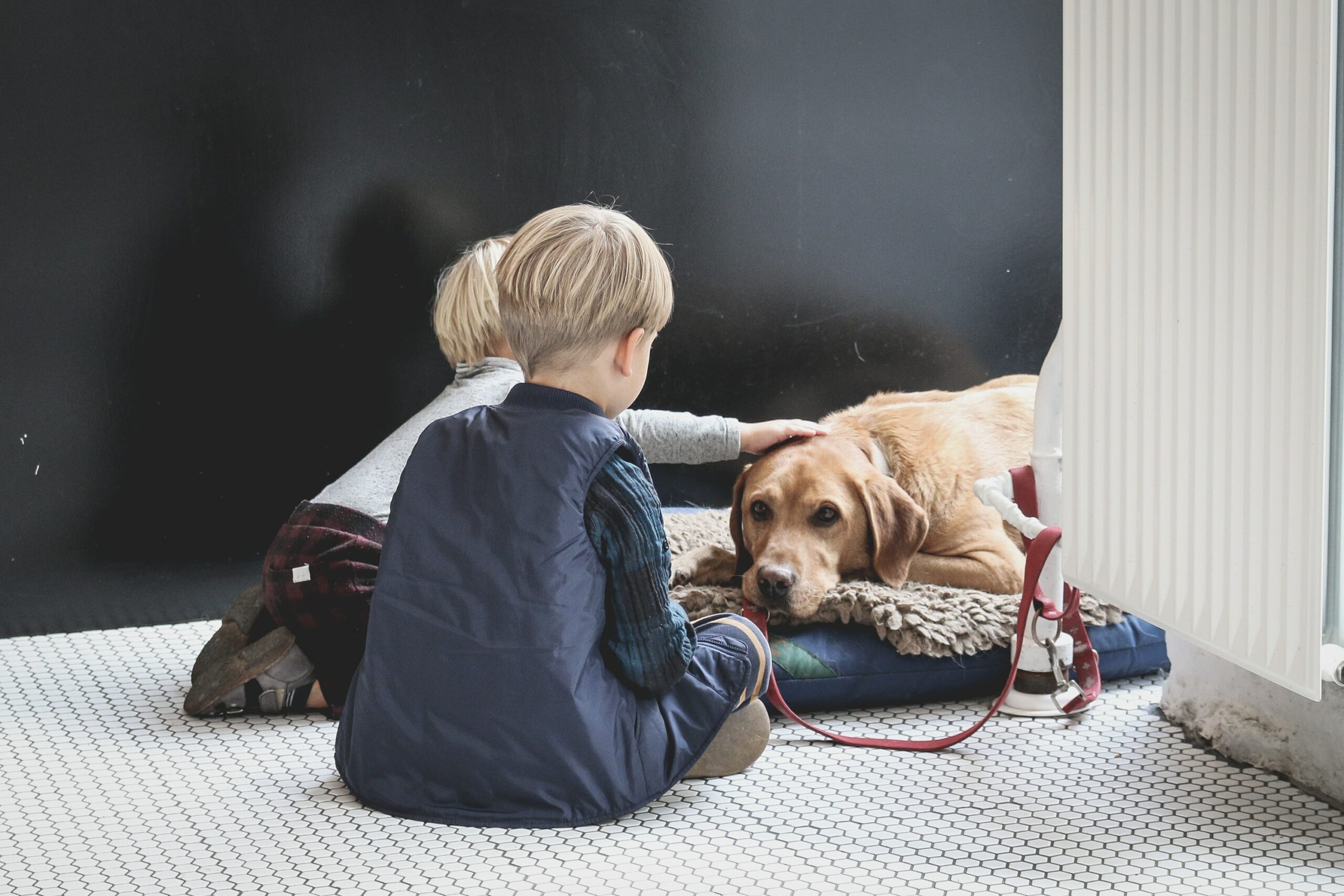
Children often talk and interact with pets in ways they might not feel comfortable with around others. Pets offer a safe space to practice:
- Expressing emotions
- Giving gentle instructions
- Understanding nonverbal signals
- Using calm communication
These skills help children in group activities, presentations, and friendships. Pets also help children learn boundaries and respect personal space.
Physical Activity and Healthy Habits
Pet care increases movement and reduces screen time, which supports:
- Brain function
- Motivation and mood
- Sleep quality
- Memory and attention
When children feel physically well, they are more prepared to learn. Families can encourage walking or playing with pets as part of daily exercise.
Leadership and Self-Confidence
Parents often notice a strong increase in confidence once children start taking care of pets. Being trusted with responsibility helps children see themselves as leaders in the family. They feel proud when the pet responds to them, and they enjoy showing new skills to others.
These moments help children grow into confident lifelong learners who believe in their ability to succeed in the classroom and beyond.
Turning Pet Care Into Family Learning Moments
Parents can make pet care educational with small adjustments. Some examples:
| Learning Area | Example Activity |
| Math | Tracking feeding times or measuring pet food |
| Reading | Following step-by-step care guides |
| Writing | Creating care plans or stories about the pet |
| Science | Exploring anatomy and animal growth |
| Geography | Learning where the species originated |
| Responsibility | Creating weekly progress checklists |
These experiences also help strengthen independent learning skills, especially when kids begin completing care tasks on their own.
How Parents Can Support These Learning Opportunities
Parents do not need to make pet care complicated. A little structure helps children stay on track:
- Assign tasks that match the child’s age.
- Break big responsibilities into smaller steps.
- Offer reminders at first, then reduce them over time.
- Praise consistency and effort
- Talk about feelings and progress.
- Encourage problem-solving and curiosity.
When parents guide gently, children feel capable and willing to take on more challenges.
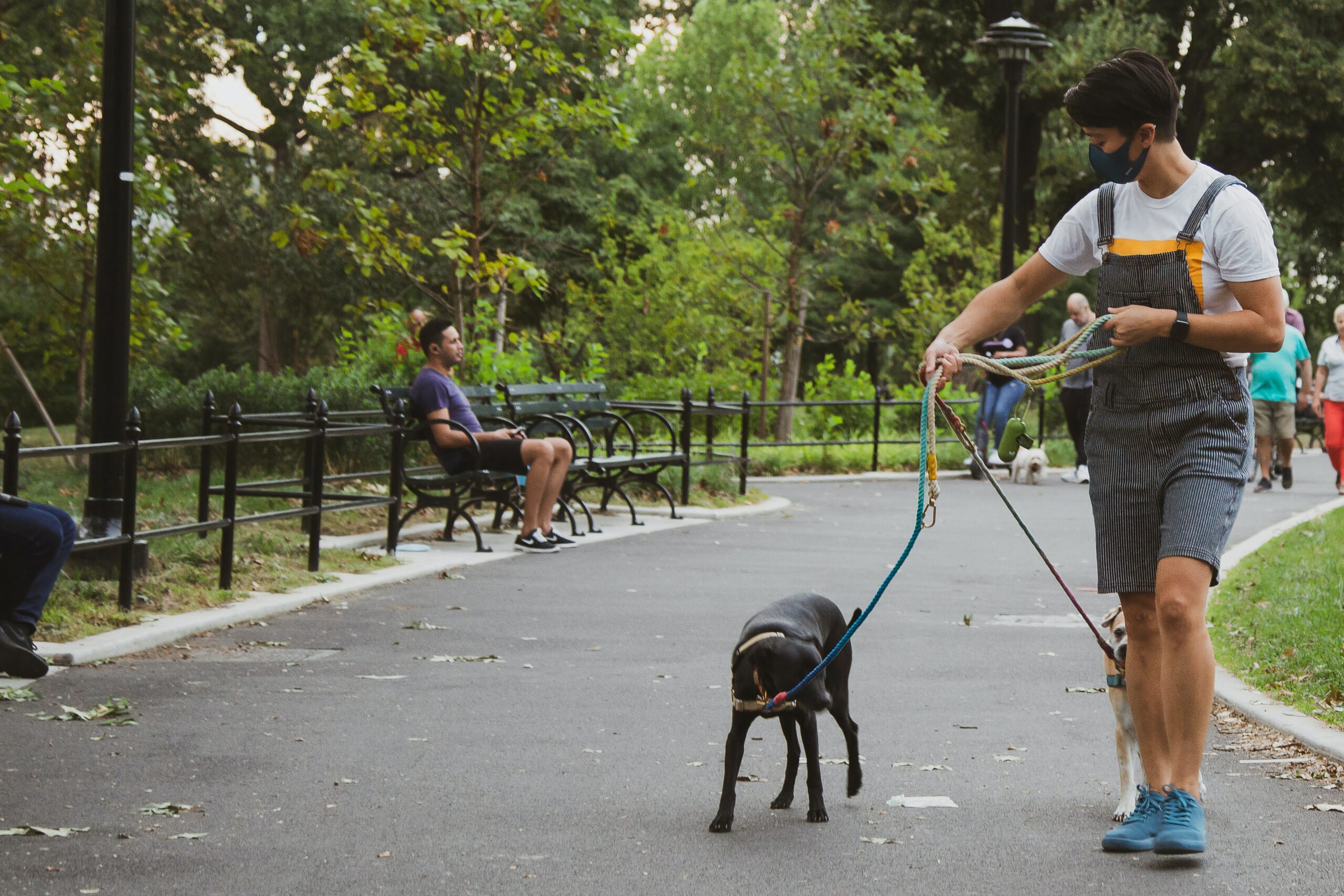
Are Pets Right for Every Family
Even without owning a pet, children can still enjoy these learning benefits. Families can explore:
- Fostering a small animal temporarily
- Volunteering together at a rescue site
- Assisting a neighbor by feeding or walking a pet
- Visiting nature centers or farms
- Using virtual pet care simulations
The goal is learning through caring relationships. Real growth happens when children feel responsible and appreciated.
The Big Picture: Raising Confident and Caring Learners
Life lessons students learn from pets stay with them throughout life. Caring for animals helps children develop:
- Strong routines
- Respect and responsibility
- Independent thinking
- Better social skills
- Confidence in their abilities
- Compassion for other living beings
A child who cares for a pet learns to care about school, relationships, and personal goals. These skills create a strong foundation for success in the classroom and in life.
Final Thoughts for Parents
Pets are more than companions. They are teachers and partners in a child’s development. By involving children in caring for animals, parents help them grow emotionally, socially, and academically.
A responsible, kind, and curious child becomes a confident learner at home, at school, and beyond.