A free e-book library is a gateway to a vast digital world of knowledge and learning. The emergence of electronic libraries has been pivotal in democratizing access to literature and academic resources globally. Not only do online libraries offer an array of books and articles across multiple disciplines, but they also cater to the diverse linguistic and cultural backgrounds of users worldwide.
The impact of these libraries extends beyond simply providing content; they are transforming how people engage with information. By breaking down geographical and financial barriers, these platforms make it easier for everyone to access valuable educational materials, thus fostering a more informed and literate global community.

E-books for Every Reader
In today’s digital age, e-books have become a ubiquitous part of our reading experience, appealing to a wide range of audiences. From students seeking academic texts to professionals looking for industry-specific materials to casual readers exploring fiction, digital libraries have something for everyone. Various related platforms have played a significant role in this evolution by offering an extensive collection of e-books in various formats.
These libraries have revolutionized the way we access and consume literature. They address the challenge of book availability and affordability, making it easier for readers to find and enjoy their desired content, thereby accessing the many benefits of reading. This change is significant in promoting literacy and a culture of reading in a digital-first world.
Access to E-Book Libraries
The concept of an e-book library is not just about providing access to books; it’s about creating an expansive and inclusive digital environment. Libraries like these have become repositories of vast amounts of knowledge, often comparable to traditional libraries in their scope. However, this brings to the forefront the complex issues of copyright and distribution of digital content.
These digital libraries operate in a challenging space where they must balance the free distribution of knowledge with respect for intellectual property rights. Next, let’s explore how such platforms manage their collections and navigate the intricacies of digital content distribution, keeping in mind both legal and ethical considerations.
Membership to Online Libraries
Accessibility is a cornerstone of the philosophy behind free e-book libraries. While some of these libraries are open to the public, others opt for a membership model to provide full access to their resources. Each model caters to the needs of various user groups.
From casual readers to serious researchers, the accessibility and membership options of these libraries play a crucial role in how they are used and valued. Understanding these models is essential for users to fully leverage the potential of digital libraries and maximize their reading experience.
Legal and Ethical Considerations of Digital Libraries
The operation of free e-book libraries, particularly concerning copyrighted materials, is a complex and multifaceted issue. Thus, there are legal and ethical challenges these online libraries face, especially when it comes to the distribution of copyrighted content. Users and operators alike need to understand the intricacies of copyright law in the digital realm.
The balance between providing free access to a wide range of materials and respecting the rights of authors and publishers is delicate. Digital libraries must act responsibly, considering the impact on the broader literary and academic communities.
Navigating the Digital Library Space
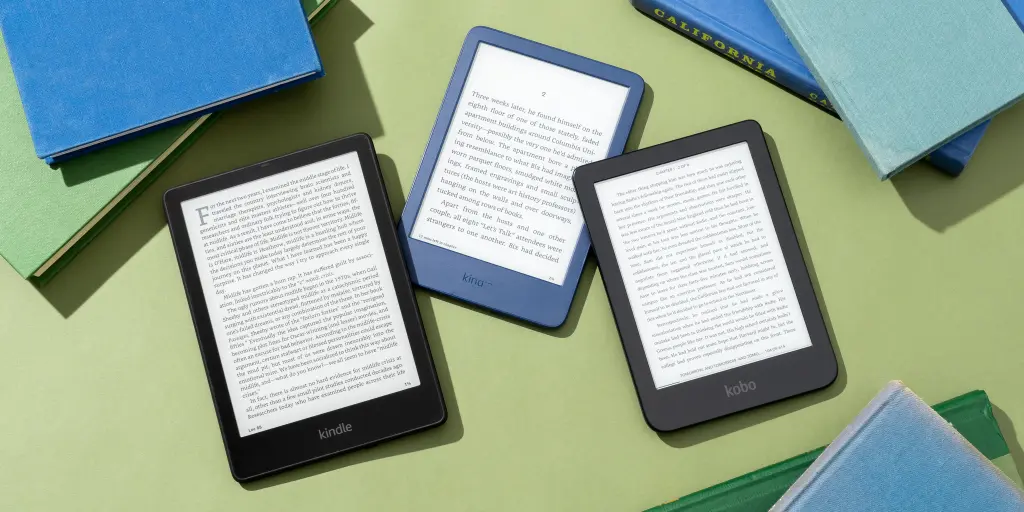
The ease of use and navigation in digital libraries has been a significant factor in their growing popularity. These platforms often mimic the simplicity and efficiency of search engines, making it straightforward for users to find specific books or articles. The advanced search capabilities, including filters for language, genre, and publication date, enhance the user experience. Thus, sometimes complicated actions, like finding reputable sources and using proper citations, are simplified.
This user-friendly approach is crucial in encouraging more people to explore the vast collections of digital libraries. By making it easier to access and discover new content, these platforms are not only facilitating knowledge acquisition but also enriching the overall digital reading experience.
Technological Advancements in Digital Libraries
The world of digital libraries is continually evolving, driven by technological advancements and the ever-growing needs of users. The integration of cutting-edge technologies like artificial intelligence, machine learning, and cloud computing has significantly enhanced the capabilities of these libraries. These technologies enable more efficient organization and retrieval of information, making the search for specific content faster and more intuitive.
Moreover, these technological advancements have opened up new possibilities in terms of personalized reading experiences. Digital libraries can now offer recommendations based on users’ reading habits, similar to the algorithms used by streaming services. This level of personalization not only enriches the user experience but also encourages the exploration of new topics and genres, potentially broadening readers’ horizons.
Sustainability and Future Prospects of E-Libraries
As digital libraries continue to grow and become more integral to our daily lives, questions of sustainability and future development come to the forefront. Ensuring that these libraries remain accessible and valuable to users over time requires ongoing investment in technology and infrastructure. It also involves addressing the challenges of digital preservation, ensuring that the content remains available and relevant for future generations.
The prospects of e-libraries look promising, with potential expansions in content, accessibility, and user engagement. As these libraries adapt to changing technologies and user expectations, they are likely to become even more indispensable in the landscape of digital learning and entertainment. The continuous evolution of these platforms is crucial in maintaining their relevance and effectiveness in a rapidly changing digital world.
Conclusion
As pillars of the digital world, free e-book libraries play a crucial role in shaping our access to knowledge and literature. They offer unparalleled opportunities for learning and exploration, catering to a diverse global audience. These libraries are important in the modern world, despite the challenges and responsibilities that come with utilizing them.
If you or your child are looking for help to improve literary research skills, enhance reading comprehension, or elevate yourselves in language arts – we can help! The expert tutors at WorldWise Tutoring assist students with all subjects, including language arts and reading. Through our personalized instruction, students grow into lifelong learners who constantly seek out new learning opportunities through books and other resources. Hire a tutor today!